Contractor says the mold is gone but has no paperwork
We run independent air and surface samples through an accredited third-party lab and hand you a signed clearance document. If it passes, you have proof. If it fails, you have leverage.
Post Remediation Mold Testing in SAN PEDRO, California is the final proof that your mold cleanup actually worked. We run clearance mold testing SAN PEDRO homeowners, landlords, and Harbor-area businesses rely on to get a written pass before drywall goes back up. If a contractor told you the job was done, we verify it with air samples, moisture readings, and a lab report you can hand to your insurance adjuster.
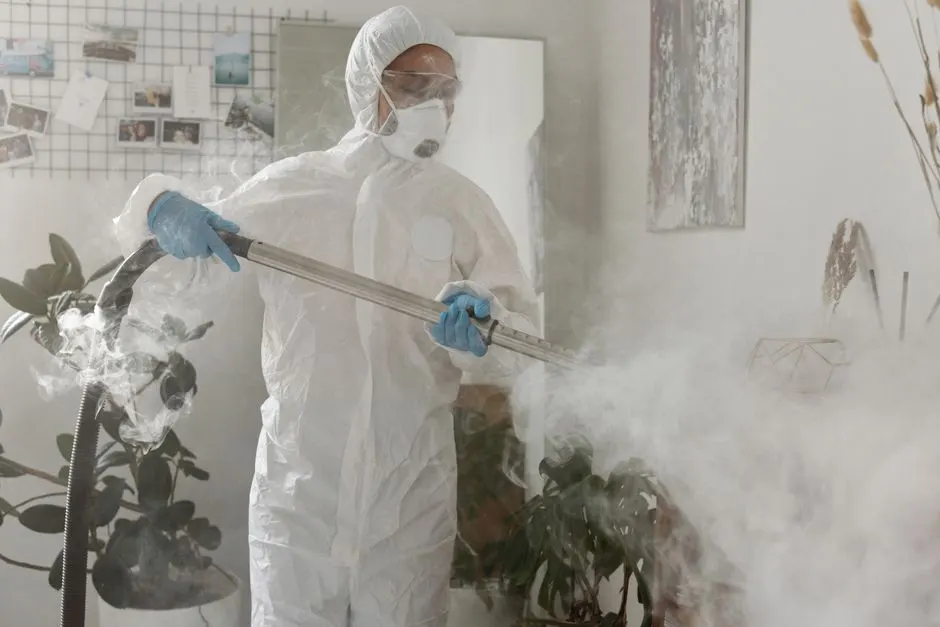
Post Remediation Mold Testing in SAN PEDRO, California is the independent verification step that happens after mold removal, not before. We set up air samples inside the contained work zone and outside it, run a moisture meter and thermal imaging camera across every wall that was opened, and check hidden cavities with a borescope inspection camera. If spore counts indoors match or beat outdoor baseline, the job passes. If they don't, we tell you exactly where the remediation failed.
San Pedro sits right on the harbor, so marine fog, winter rain, and salt air keep wall cavities damp longer than most of Los Angeles County. That means crawl space mold and attic mold come back fast when a cleanup was rushed. If you searched clearance mold testing near me SAN PEDRO and got a contractor who wants to skip the test, that's a red flag. Post remediation verification in SAN PEDRO CA is what separates a real remediation from a paint-over.
A standard clearance visit covers sampling, moisture verification, and a written lab report. Larger or commercial jobs may add sample locations or a second visit, and we quote that upfront before we start.
Calibrated air samples inside the remediated zone plus an outdoor baseline, so the lab can compare indoor and outdoor spore levels directly. This is the core of any clearance test.
Tape or swab samples on any surface that still looks suspect, including framing, ductwork, and the underside of subfloor. Surface samples catch what air sampling can miss.
A moisture meter and thermal imaging camera sweep every remediated wall, ceiling, and floor. Damp spots get flagged because they will feed new growth within weeks.
A signed report with spore types, counts per cubic meter, sample locations, and a clear pass or fail. Formatted so you can hand it to an adjuster, buyer, or landlord.
If the numbers come back high, we tell you which area failed and why, and we can move straight into the repair instead of leaving you to find another contractor.
We walk the space with you and the remediation paperwork, if you have it. We note what was removed, what was encapsulated, and where containment was built. This takes 15 to 20 minutes on a typical San Pedro home and tells us where to place samples.
A moisture meter and thermal imaging camera go across every remediated wall, ceiling, and floor. We are looking for hidden damp spots that will feed new growth within weeks. Readings above 16 percent on drywall get flagged immediately.
We run calibrated air samples inside the work zone and one outdoor baseline, plus tape or swab samples on any surface that looks suspect. Samples go to an accredited third-party lab, not our own bench, so the result is independent.
The lab cultures the samples and reports spore types and counts per cubic meter. Turnaround is typically 24 to 48 hours. We call you with the raw numbers the moment they land, before the written report is even formatted.
If you pass, you get the clearance document and a short list of habits that keep it that way. If you fail, we tell you which area and why, and we can go straight into the fix rather than leaving you to find another contractor.
Purpose-built equipment, used by trained technicians — so the job is done accurately the first time.
Reads the water content inside drywall, framing, and subfloor. Anything above 16 percent gets flagged as a future mold risk.
Shows temperature differences behind walls and under floors, which reveals hidden damp spots that a visual inspection would miss.
Slides into wall cavities and duct runs to check for growth in spaces you cannot see from the room side.
Draws a known volume of air through a spore trap so the lab can report counts per cubic meter accurately.
Used during any touch-up pass to capture settled spores instead of pushing them back into the air.
Runs negative air and filters fine particulates during any follow-up work so the rest of the home stays protected.
Dries a cavity that failed the moisture check before we re-test, so the second sample reflects a genuinely dry space.
A homeowner had a bathroom remediation done after a supply line leak. The crew pulled tile and treated the wall, then said it was done. A musty smell lingered. Our first clearance test came back with indoor spore counts roughly three times the outdoor baseline.
We traced the moisture to a section of framing the first crew never dried. After a second remediation pass with a dehumidifier and air mover, the re-test came back below outdoor levels and the job passed clean.
A seller needed proof that attic mold had been removed before closing. The attic had been treated but never verified, and the buyer's agent would not release the contingency without a lab report.
We sampled the attic air and two surface locations. Counts came back at or below the outdoor baseline, and the written clearance was delivered within 36 hours. The sale closed on schedule.
A property manager had a crawl space treated after winter water intrusion. The space looked dry, but a moisture meter reading showed framing still above 20 percent, which would have fed new growth within weeks.
We ran a dehumidifier for two days, re-checked moisture at 12 percent, and then sampled the air. The clearance passed and the report went straight to the insurer.
Most clearance calls start with the same worry: did the last crew actually finish the job? Here is what we run into across San Pedro.
Ask a pro →We run independent air and surface samples through an accredited third-party lab and hand you a signed clearance document. If it passes, you have proof. If it fails, you have leverage.
Our moisture meter and thermal imaging camera scan finds the damp spot the last crew missed. We sample the air, confirm the source, and can remediate it properly this time.
We verify moisture levels in the cavity, not just the room. If it is still wet, we dry it with a dehumidifier and air mover, then re-test before closing anything up.
Our clearance mold testing SAN PEDRO reports include chain-of-custody paperwork and lab accreditation details, which is what adjusters ask for. Most claims clear within a day of the report landing.
Most residential clearances in San Pedro run $250 to $600 in 2026, depending on how many rooms and samples are involved. A single-room bathroom or attic job sits at the low end. A whole-house clearance with multiple air samples and a crawl space check lands higher. Commercial spaces and post-remediation verification in SAN PEDRO CA for a multi-unit building are quoted per square foot after a walkthrough.
Clearance mold testing in SAN PEDRO is the verification step after mold removal. We collect air and surface samples inside the remediated area and compare them to an outdoor baseline. If indoor spore counts are at or below outdoor levels, the job passes and you get a written clearance document. It is the difference between hoping the mold is gone and knowing it.
We do, and we cover the whole harbor area, from San Pedro Waterfront and Downtown San Pedro out to Point Fermin, Royal Palms, and the Rancho Palos Verdes Border. Call (833) 929-5837 and we can usually schedule same-day or next-morning. If your remediation was done by another company, that is fine. We test independent jobs all the time.
Wait until the remediated area is fully dry and any fogging or antimicrobial application has had time to settle, usually 24 to 72 hours after the crew finishes. Testing too early traps wet spores in the air and gives you a false fail. If a dehumidifier or air mover is still running, wait until it is pulled. We will tell you the right window when you call.
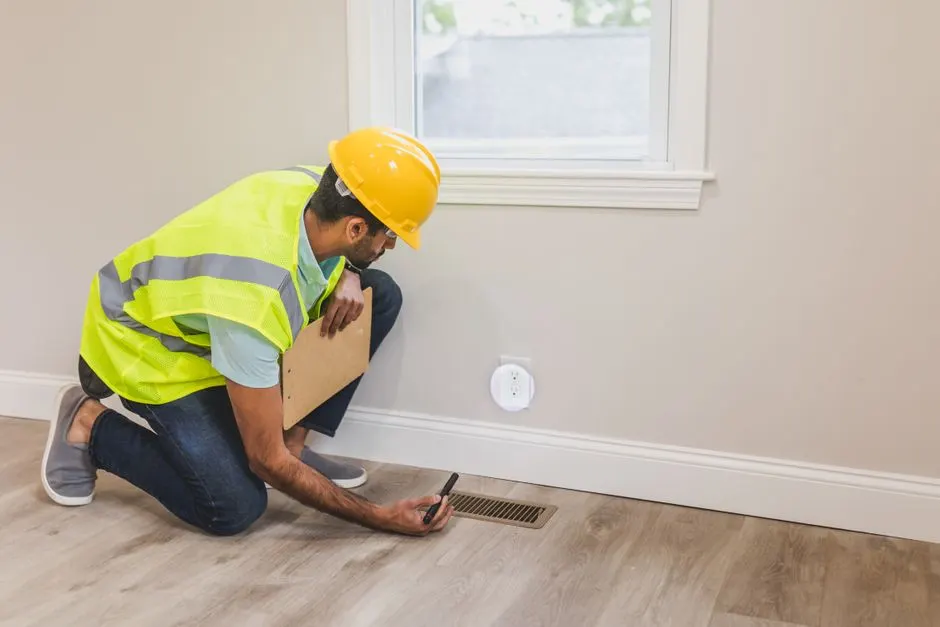 Mold Inspection Near MeBefore remediation starts, a full mold inspection maps where the growth is and how far it spread. We use that baseline later to prove the cleanup worked, so the two services fit together on any San Pedro job.Explore →
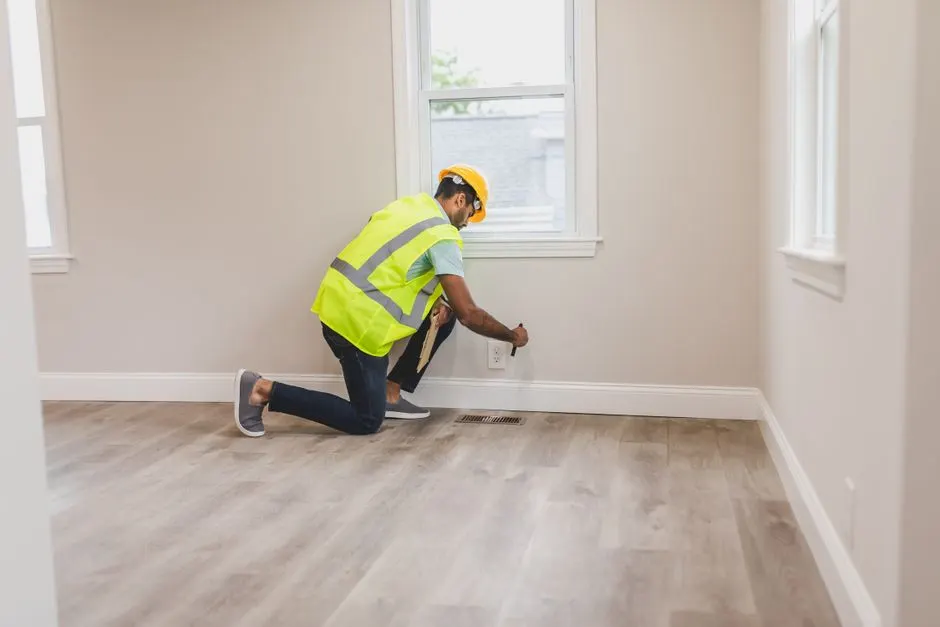 Mold InspectionA standard mold inspection covers visible growth, moisture sources, and air quality. It is the front half of the process, and our post remediation testing is the back half that confirms the fix held.Explore →
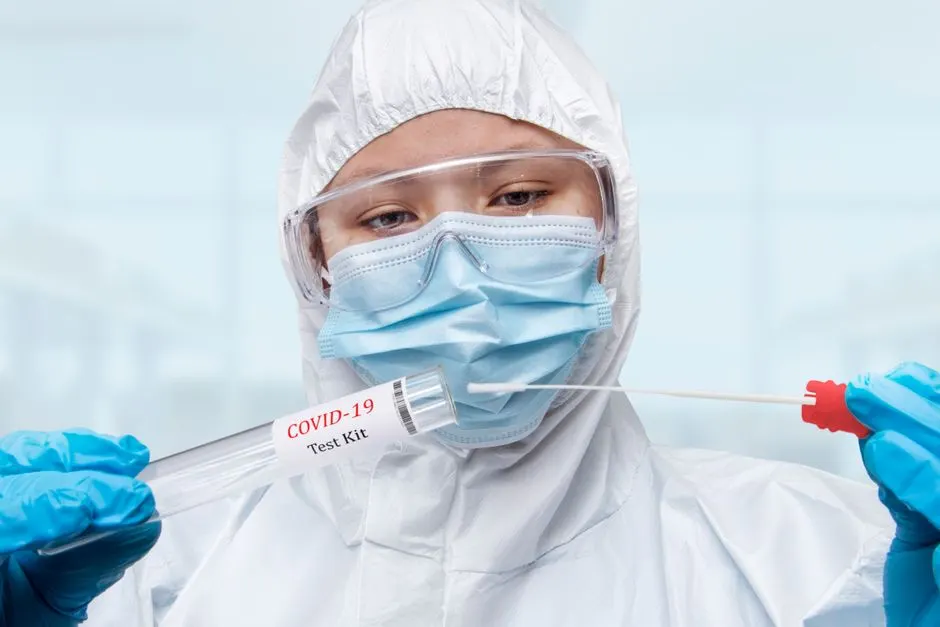 Mold TestingGeneral mold testing tells you what species are present and at what levels. We run the same lab methods for clearance work, just with a before-and-after comparison built into the report.Explore →
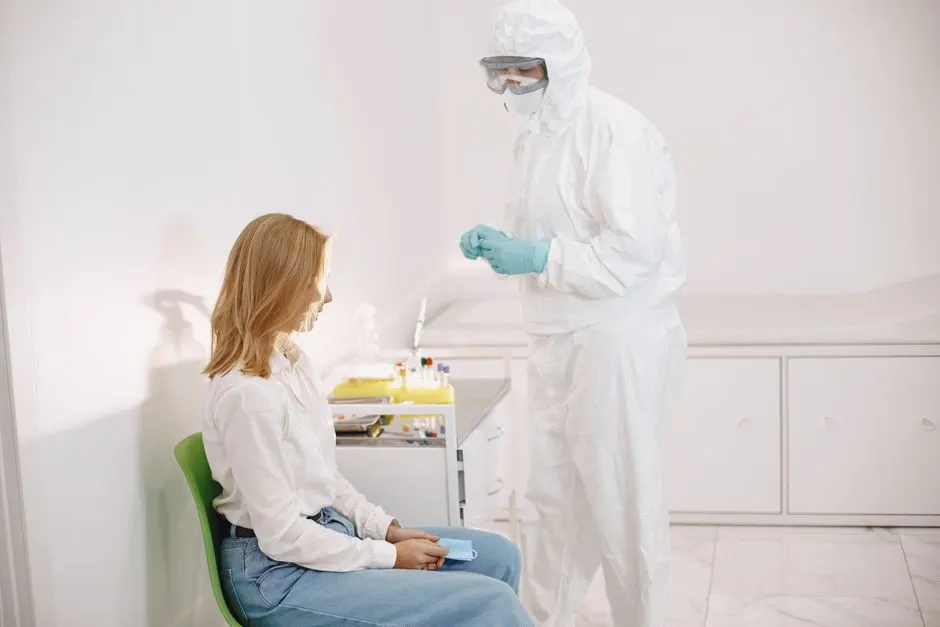 Mold Testing Near MeIf you need a tester close by, we cover San Pedro and the surrounding harbor neighborhoods. Same equipment, same accredited lab, whether it is an initial test or a final clearance.Explore →
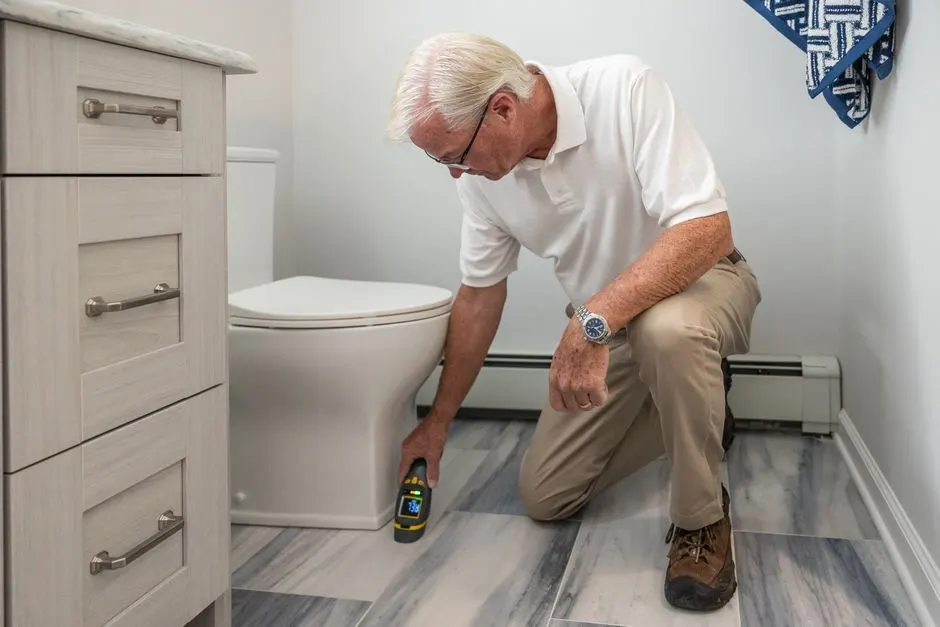 Certified Mold InspectorOur inspectors hold IICRC and ACAC-aligned credentials. That matters at clearance time, because a certified inspector's report carries more weight with insurers and real estate transactions.Explore →
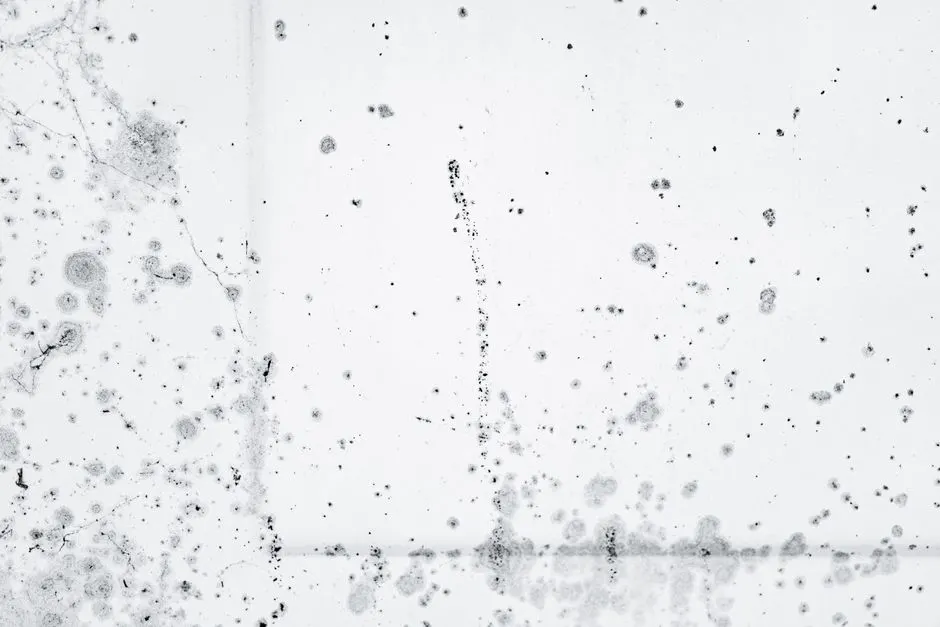 Black Mold InspectionBlack mold growth needs a targeted inspection and, after removal, a targeted clearance. We sample the exact areas where black mold was found so the report speaks directly to that contamination.Explore →
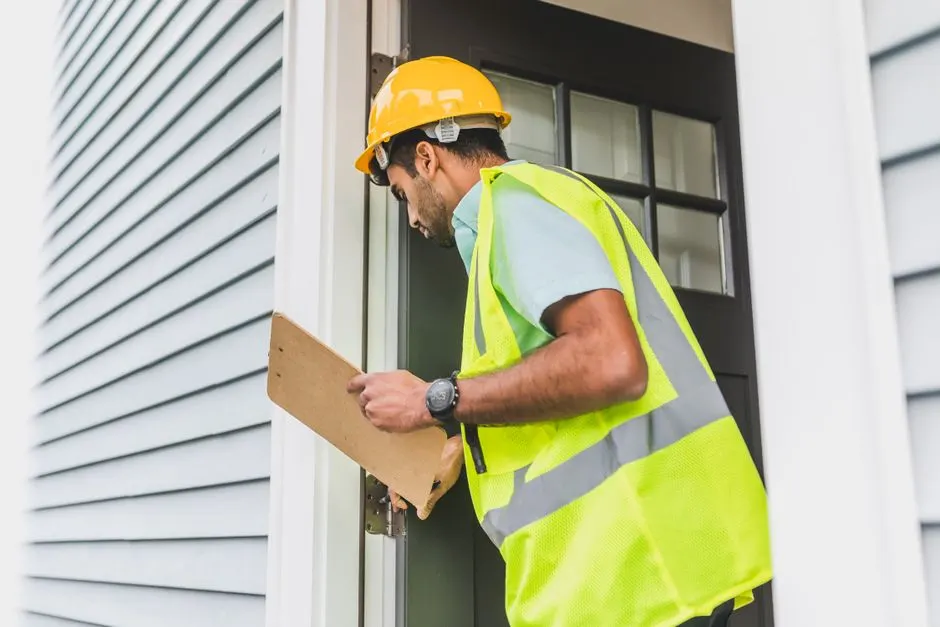 Home Mold InspectionA whole-home inspection covers attic, crawl space, bathrooms, and ceilings. When remediation follows, we return for a home-wide clearance so every treated zone is verified, not just the visible one.Explore →
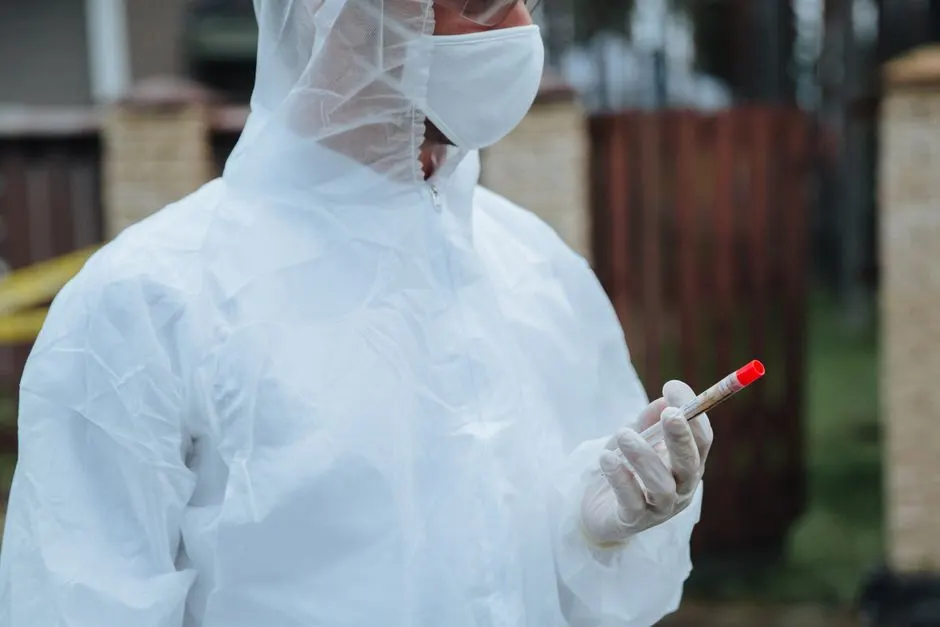 Residential Mold TestingResidential clearances are our most common call. Single-family homes, duplexes, and bungalows across San Pedro all get the same sample protocol and the same written pass or fail.Explore →
Do not move furniture, insulation, or family back into a space until the air is proven clean. Call (833) 929-5837 and we will schedule your clearance test, usually same day. Written lab report, honest pass or fail, and a fix plan if anything is still off.
Schedule My Clearance Test (833) 929-5837 →Call us at (833) 929-5837 any time, day or night. We answer live 24/7 for emergencies and schedule same-day inspections for non-urgent jobs. You can also email info@moldremediationservicesanpedro.com and we will respond within a few hours during business hours.