Find hidden mold before it spreads through your home

Home Mold Inspection in SAN PEDRO, California

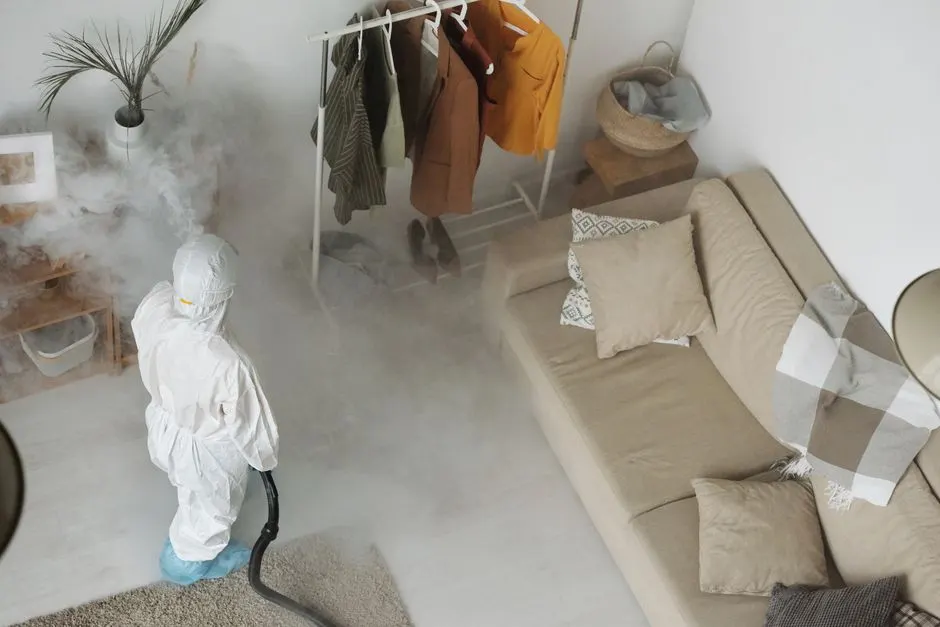
A Home Mold Inspection in SAN PEDRO, California locates active mold, trapped moisture, and airborne spores before they wreck drywall, insulation, and indoor air. We inspect attics, crawl spaces, bathrooms, and ceilings with moisture meters and thermal imaging, then hand you a clear report. If you have smelled something musty since the last rain, a residential mold assessment SAN PEDRO is the fastest way to find out why.

↗
Fast online booking

Request service today

Tell us what is happening. Our local team will confirm your visit shortly.

No spam. No obligation. Just practical help.
Thanks — we'll call shortly to confirm your visit.
Dependable Mold Remediation Service across SAN PEDRO, California
Careful work. Honest options.
About this service

What a Home Mold Inspection in SAN PEDRO, California Covers

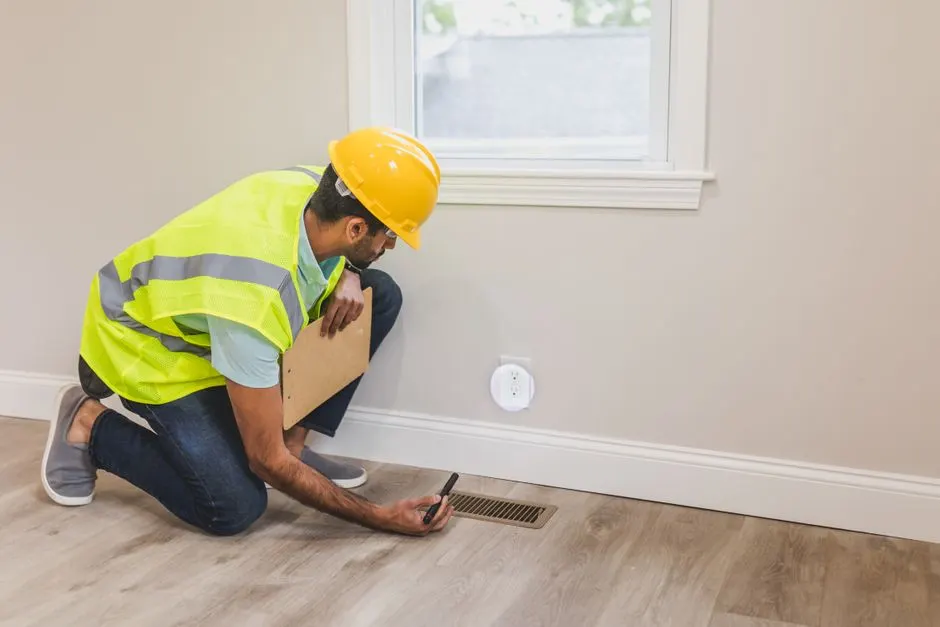
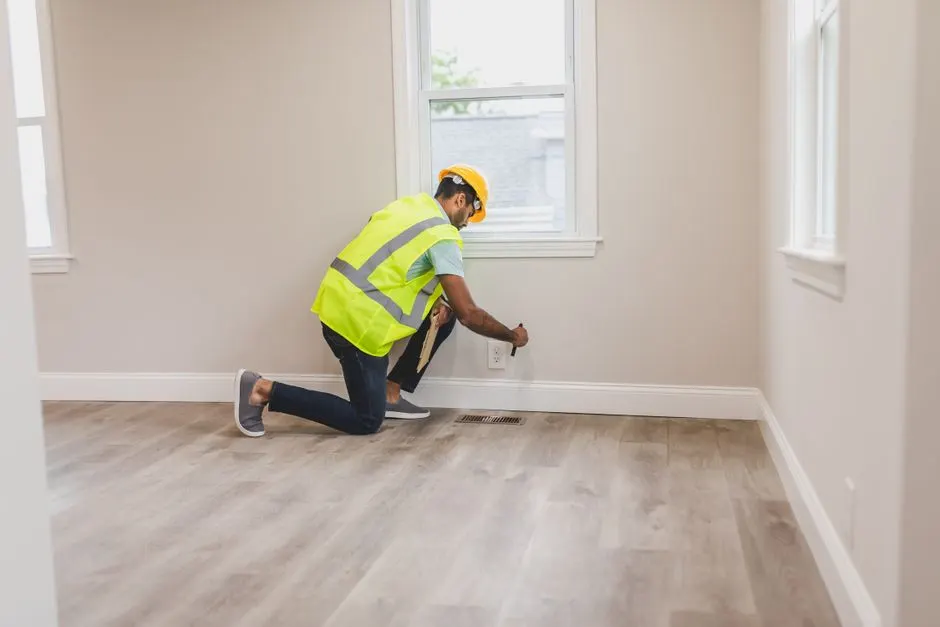
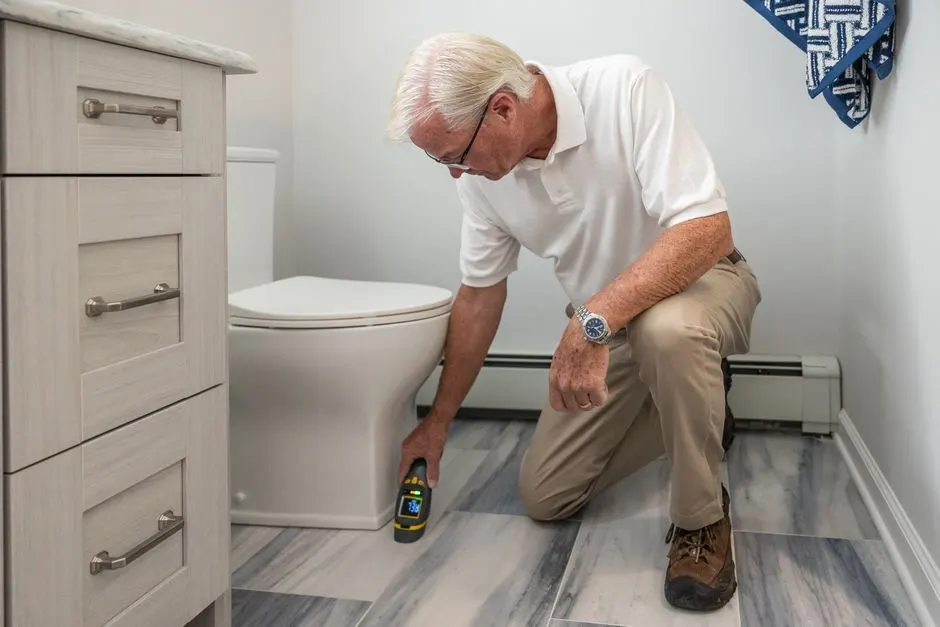
A Home Mold Inspection in SAN PEDRO, California is a room-by-room investigation that finds where mold is growing, how much of it is there, and what is feeding it moisture. We check the attic decking, crawl space joists, bathroom caulk lines, window frames, and any ceiling that has ever stained. Moisture meters read the water content inside walls, a thermal imaging camera shows cold spots where condensation hides, and a borescope inspection camera slips behind drywall without tearing it open. You get photos, moisture readings, and a written scope of what needs to come out.

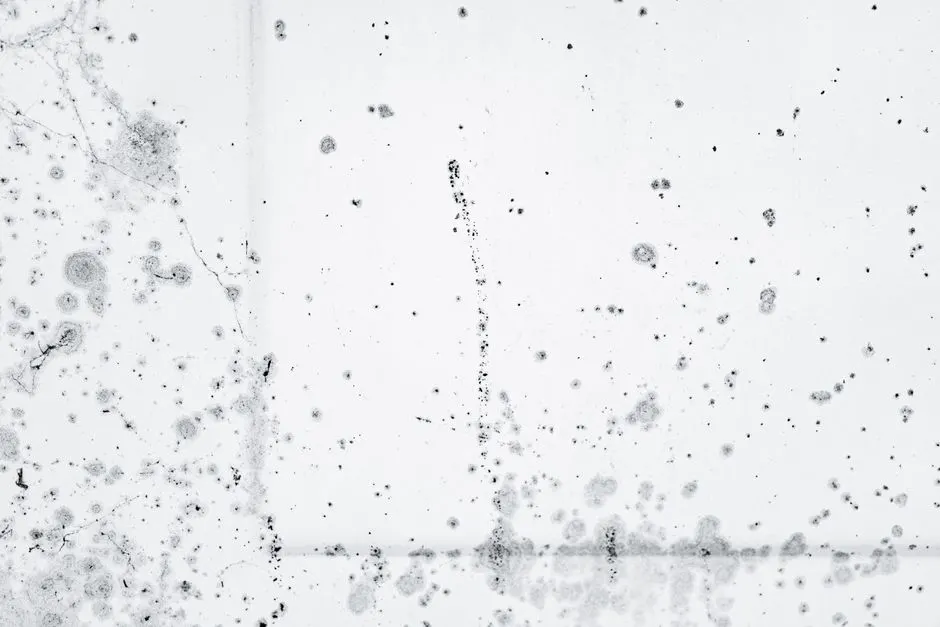
San Pedro homes sit close to the harbor, so marine air pushes humidity into attics and crawl spaces year-round. Add a winter storm that drives rain sideways under a roof edge, and you have the two conditions mold needs: food and water. We regularly find black mold growth above bathroom ceilings in older Gaffey Street Corridor bungalows and in crawl spaces near the San Pedro Waterfront. If you have been searching for a house mold inspection near me SAN PEDRO, this is where the search ends.

  • ✓ Find It Before It Spreads
  • ✓ Know What You Are Breathing
  • ✓ Protect the Sale or Purchase
  • ✓ Stop the Recurrence Cycle
What's included

What Our Home Mold Inspection Includes

Every inspection covers the full house, not just the room you are worried about. Here is what comes standard, and what we add on when the situation calls for it.

✓

Full Visual Walkthrough

Attic, crawl space, bathrooms, kitchen, laundry, and every living area get checked. We photograph anything that looks like growth and note the room, surface, and approximate square footage so the report is easy to follow.

✓

Moisture and Thermal Readings

A moisture meter and thermal imaging camera read wall cavities, ceiling assemblies, and floor edges. We log the readings room by room so you can see exactly where the wet zones are and how far they extend.

✓

Air and Surface Sampling

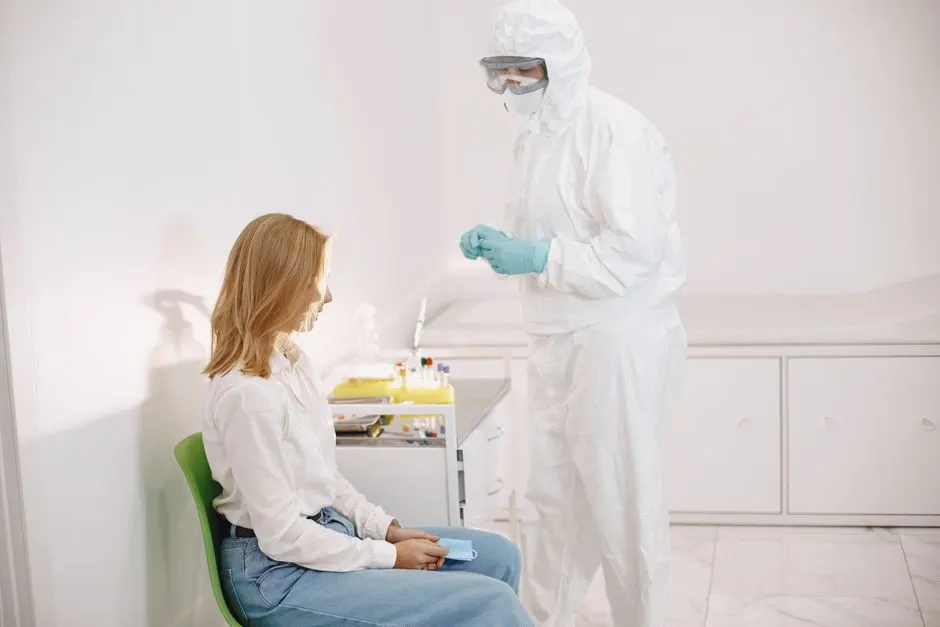
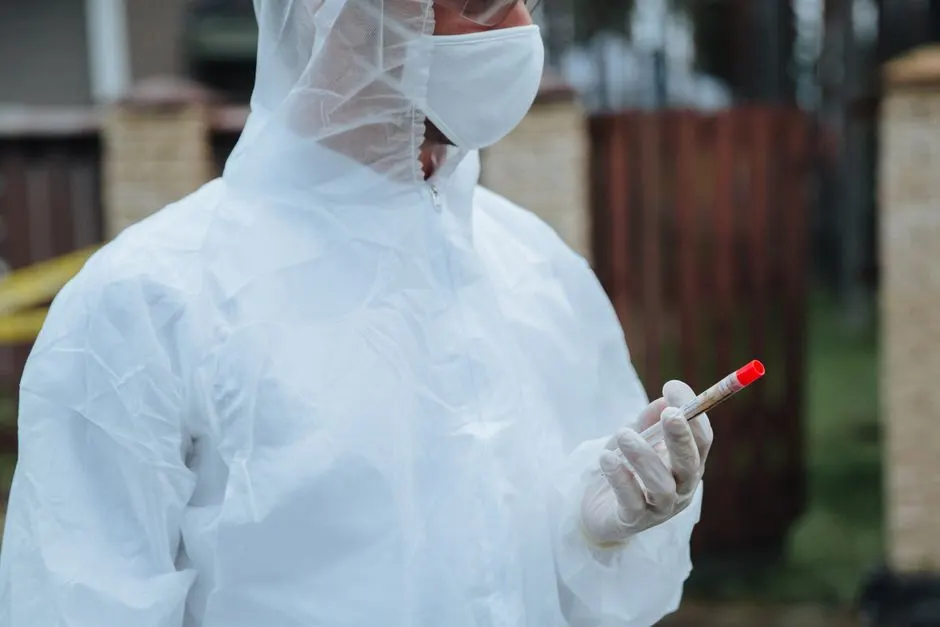
We set air samples in the affected room and one outdoor control, then swab visible growth. Samples go to an accredited lab, and results come back in 24 to 72 hours with spore counts by species.

✓

Written Report With Photos

You get a report with photos, moisture readings, lab results, and a plain-language scope of what needs removal and what needs repair. We walk you through it on the phone so nothing gets lost in the jargon.

✓

Moisture Source Identification

Finding mold is half the job. We trace the moisture back to the roof leak, supply-line drip, failed exhaust fan, or crawl space seepage so you can fix the cause instead of cleaning the symptom.

✓

Post-Inspection Phone Debrief

After the report lands, we call you to walk through the findings and answer questions. If you need a remediation scope, we can quote it. If you do not, we will tell you that too.

How it works

How Our Inspection Process Works

01

Phone Intake

You call (833) 929-5837 and tell us what you are seeing or smelling. We ask about recent water damage, roof leaks, and where the odor is strongest. That call takes about 10 minutes and lets us load the right gear before we roll.

02

Visual Walkthrough

We start at the attic and work down. Decking, rafters, insulation, bathroom walls, under sinks, and the crawl space all get checked. We photograph anything suspicious and note the room, surface, and approximate square footage of visible growth.

03

Moisture Mapping

A moisture meter and thermal imaging camera tell us what the eye cannot. We read wall cavities, ceiling assemblies, and floor edges for elevated water content. A borescope inspection camera lets us look behind drywall and inside ductwork without cutting holes.

04

Air and Surface Sampling

We set air samples in the affected room and one outdoor control, then swab visible growth. Samples go to an accredited lab, and results come back in 24 to 72 hours with spore counts by type. That data tells us whether you have a toxic mold exposure concern or a minor surface issue.

05

Written Report

You get a report with photos, moisture readings, lab results, and a plain-language scope: what is mold, what is not, what needs removal, and what needs repair. We walk you through it on the phone so you know your next move.

Tools & methods

Tools and Methods We Use

Purpose-built equipment, used by trained technicians — so the job is done accurately the first time.

Moisture meter

Reads water content inside drywall, framing, and subfloor. It tells us whether a wall is actually wet or just stained, which decides whether removal is needed.

Thermal imaging camera

Shows temperature differences that reveal hidden moisture, missing insulation, and air leaks. It helps us find wet zones behind finished surfaces without cutting holes.

Borescope inspection camera

Slips behind drywall, inside ductwork, and into wall cavities to confirm growth without demolition. It is how we verify a suspicion before recommending removal.

Air scrubber with HEPA filter

Filters airborne spores during inspection and remediation work. It keeps the rest of the house from getting cross-contaminated while we handle the affected area.

Negative air machine

Creates negative pressure inside containment so spores cannot escape into clean rooms. It is standard equipment on every remediation job we run.

Dehumidifier and air mover

Dri-Eaz and Phoenix Restoration units pull moisture out of framing and push air across wet surfaces. We run them until moisture readings drop back to normal.

HEPA vacuum

ProTeam and 3M units capture fine spores from surfaces that a shop vac would just blow around. We use them on framing, sills, and any porous surface that stays.

Real results

Before and after.

Attic Mold in a Barton Hill Bungalow

Before

A homeowner found dark staining on attic decking above the back bedroom after a January storm. The roof had leaked for at least two seasons, and insulation in two bays was damp and discolored. Air samples in the bedroom showed elevated spore counts.

After

We contained the attic, removed 120 square feet of affected insulation, HEPA vacuumed the decking and rafters, and treated the framing with antimicrobial solution and mold encapsulant. Post-remediation testing came back within normal range.

Crawl Space Growth Near the Waterfront

Before

A San Pedro Waterfront home had a musty odor in the living room that got worse in summer. The crawl space had no vapor barrier, and moisture meter readings on the joists were above 20 percent. Visible growth covered about 80 square feet of subfloor sheathing.

After

We set containment, removed the affected sheathing sections, HEPA vacuumed the joists, and treated the framing with antimicrobial solution. We installed a 6-mil vapor barrier and ran a dehumidifier until joist readings dropped below 12 percent.

Bathroom Recurrence in South Shores

Before

A homeowner had cleaned mold off the shower caulk four times in a year. The exhaust fan was undersized for the room, and a slow supply-line drip behind the wall kept the cavity wet. A borescope confirmed growth on the back side of the drywall.

After

We removed about 30 square feet of affected drywall, treated the framing, and replaced the section. Air samples in the bathroom came back clean after remediation. The homeowner upgraded the exhaust fan to a 110 CFM unit.

Problems we solve

Mold Problems We Solve in San Pedro Homes

Most San Pedro mold calls fall into a handful of patterns. Here are the ones we see most often, and what happens if you leave them alone.

Ask a pro →
01

Musty odor with no visible growth

We use a thermal imaging camera and borescope inspection camera to find the hidden source, then pull air samples to confirm what is growing. Once we know the species and location, we scope the removal and the moisture repair.

↗
02

Black mold growth on attic decking

We inspect the decking, rafters, and insulation, then sample the growth to confirm species. If removal is needed, we set containment, run a negative air machine, and HEPA vacuum the affected bays before treating with antimicrobial solution.

↗
03

Crawl space mold from marine humidity

We read moisture content in joists and subfloor, sample the growth, and scope removal. After cleanup, we recommend a dehumidifier and improved ventilation to keep the space dry through the wet season.

↗
04

Bathroom mold recurrence after cleaning

We trace the moisture with a moisture meter, check the exhaust fan CFM against the room size, and inspect behind the shower wall with a borescope. Then we scope the removal and tell you what to repair so it does not come back.

↗
Proof you can check

Credentials and Reviews

✓
IICRC WRT (Water Restoration Technician)Institute of Inspection, Cleaning and Restoration Certification
✓
IICRC AMRT (Applied Microbial Remediation Technician)Institute of Inspection, Cleaning and Restoration Certification
✓
EPA Lead-Safe CertificationU.S. Environmental Protection Agency
✓
OSHA 10Occupational Safety and Health Administration
✓
California Contractors State License Board (CSLB) licenseCalifornia Contractors State License Board
Good questions

Frequently Asked Questions

(833) 929-5837 →

Most single-family inspections run $250 to $650 in 2026, including two to four lab samples. Larger homes, crawl space access issues, and additional sampling push the number up. You get the full price before we start, and if the scope turns out smaller than expected, the price drops with it.

It includes a full visual walkthrough of attic, crawl space, bathrooms, and living areas, moisture meter and thermal imaging readings, air and surface sampling sent to an accredited lab, and a written report with photos and spore counts. We also flag the moisture source so you know what to repair.

Call (833) 929-5837 or book online. We offer same-day and next-day slots most weekdays, and 24/7 dispatch for active leaks or flooded crawl spaces. The intake call takes about 10 minutes, and we confirm your window before we hang up.

We do. Our technicians hold IICRC AMRT certification and follow the ANSI/IICRC S520 standard, and we serve every San Pedro neighborhood from Cabrillo Beach to Barton Hill. If you want a residential mold assessment in SAN PEDRO California with lab results, call us and we will get you on the schedule.

Ready when you are

Book Your Home Mold Inspection in SAN PEDRO, California

If you smell something musty or see dark staining on a ceiling or baseboard, do not wait for it to spread. Call (833) 929-5837 and we will schedule your inspection, usually within 24 hours. Same-day and 24/7 dispatch available for active leaks.

Schedule Inspection (833) 929-5837 →
Request an appointment

Contact Our San Pedro Mold Crew

Call us at (833) 929-5837 any time, day or night. We answer live 24/7 for emergencies and schedule same-day inspections for non-urgent jobs. You can also email info@moldremediationservicesanpedro.com and we will respond within a few hours during business hours.

Request received — our team will be in touch shortly.
Tap to call(833) 929-5837