Certified inspectors, moisture meters, and lab-backed answers

Mold Inspection in SAN PEDRO, California

Mold Inspection in SAN PEDRO, California is how you find out what is growing behind your walls before it spreads. Our certified inspectors test the air, scan for hidden moisture, and hand you a plain-English report you can act on. Whether you own a 1920s bungalow near Cabrillo Beach or a rental off Gaffey Street, we tell you exactly where the problem is and what it will take to fix it.

↗
Fast online booking

Request service today

Tell us what is happening. Our local team will confirm your visit shortly.

No spam. No obligation. Just practical help.
Thanks — we'll call shortly to confirm your visit.
Mold Inspection
Careful work. Honest options.
About this service

What Mold Inspection in SAN PEDRO, California Covers

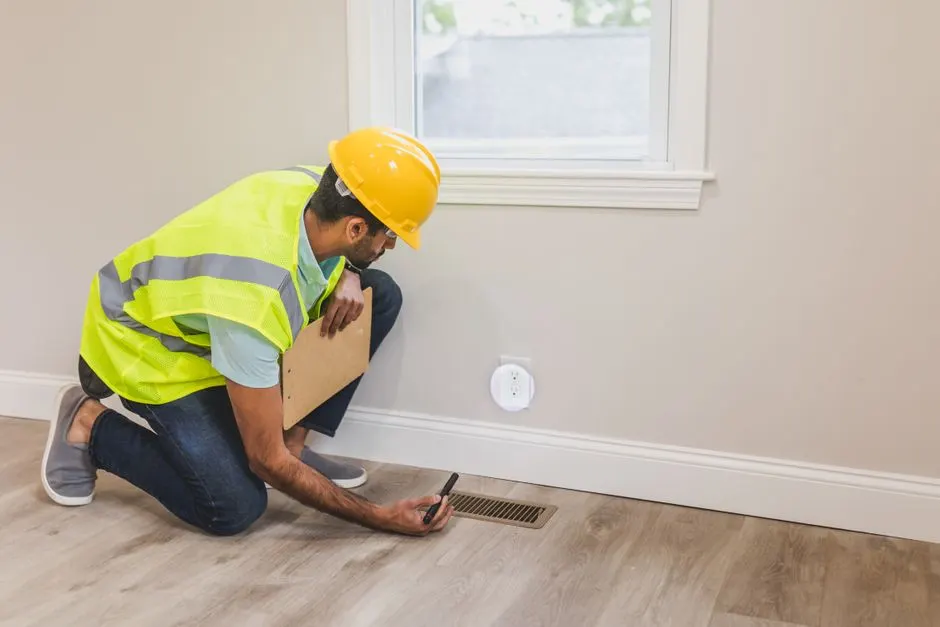
A Mold Inspection in SAN PEDRO, California is a room-by-room investigation of your property for active mold growth, hidden moisture, and elevated airborne spores. We use a moisture meter to map wet drywall and framing, a thermal imaging camera to find cold spots where condensation collects, and a borescope inspection camera to look inside wall cavities without tearing anything open. Air and surface samples go to an accredited lab, and you get results with species and spore counts, not guesswork.

San Pedro sits right on the harbor, and that marine layer pushes indoor humidity past 60 percent for weeks at a time. Add aging plumbing in the older blocks around Downtown San Pedro and Vista del Oro, plus the winter storms that drive water through window flashing, and you have ideal conditions for black mold growth. If you have smelled a musty odor or spotted ceiling mold after a leak, a professional mold inspection SAN PEDRO California can confirm the source before it reaches your insulation or HVAC.

  • ✓ Find It Before It Spreads
  • ✓ Lab-Confirmed Spore Counts
  • ✓ Protect Your Family's Air
  • ✓ Documentation for Insurance
What's included

What Is Included in Our Mold Inspection

Every inspection includes the full visual walkthrough, moisture and thermal scanning, and a written report with photos. Air and surface sampling are included in our standard package. Remediation work, if needed, is quoted separately after you review the findings.

✓

Full Visual Walkthrough

Every accessible room, the attic, the crawl space, and the exterior perimeter. We check under sinks, behind appliances, around window frames, and along baseboards. Anything suspicious gets photographed and marked on a floor plan.

✓

Moisture and Thermal Scanning

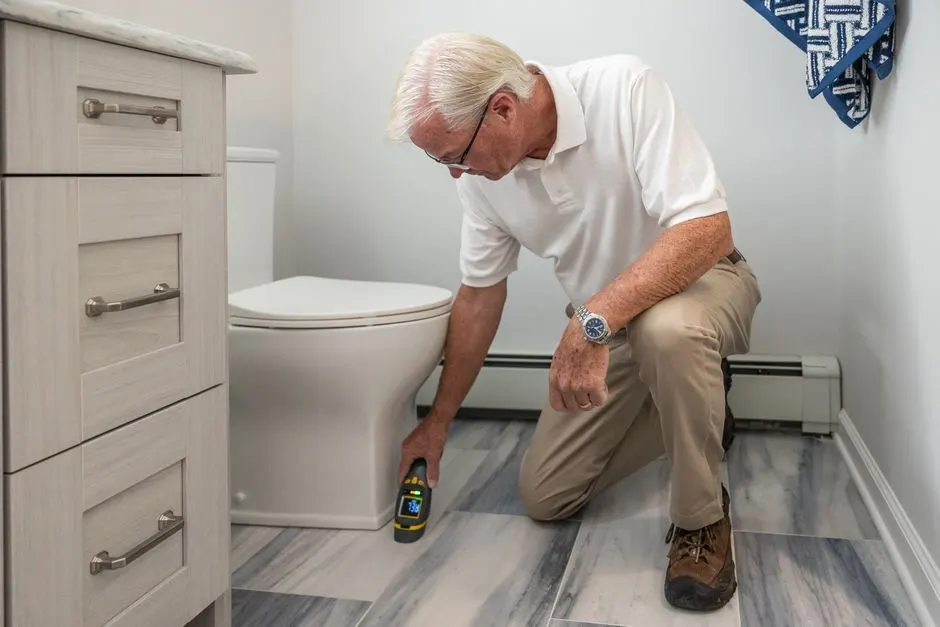
A moisture meter maps wet drywall, framing, and subfloor. A thermal imaging camera reveals cold spots and hidden moisture behind finished surfaces. Where readings are elevated, we slide a borescope inspection camera into the cavity.

✓

Air and Surface Sampling

We collect outdoor baseline air, indoor air from at least two zones, and surface tape-lift samples from visible growth. Samples ship to an accredited lab the same day with a chain-of-custody record.

✓

Written Report With Photos

You get a report with moisture readings, thermal images, lab results with species and spore counts, and a marked-up floor plan. It is formatted so you can hand it to an insurer, a buyer, or a remediation crew without edits.

✓

Findings Walkthrough

We call you when results come in and walk through what we found, what needs remediation, what just needs drying, and what is clean. No charge for the call, no pressure to book remediation with us.

How it works

How Our Mold Inspection Process Works

01

Phone Intake

We ask about the history: any leaks, roof damage, plumbing repairs, or musty smells. You tell us where you have noticed problems, and we build a target list before we arrive. This call takes about 10 minutes and lets us bring the right equipment.

02

Visual Walkthrough

On site, we inspect every room, the attic, the crawl space, and the exterior. We check under sinks, behind appliances, around window frames, and along the base of walls. Anything suspicious gets photographed and flagged on a floor plan sketch.

03

Moisture and Thermal Scanning

We run a moisture meter across suspect drywall, framing, and subfloor, then sweep the same areas with a thermal imaging camera. Where readings disagree or a cavity looks wet, we slide a borescope inspection camera inside to see the actual surface.

04

Air and Surface Sampling

We collect outdoor baseline air, indoor air from at least two zones, and surface tape-lift samples from visible growth. Samples are labeled, sealed, and shipped to an accredited lab the same day. You get a chain-of-custody record with your report.

05

Report and Action Plan

Results arrive in one to three business days. We walk you through the findings, mark which areas need remediation, which just need drying, and which are clean. If you want, we can quote the remediation on the same call.
Tools & methods

Tools and Methods We Use

Purpose-built equipment, used by trained technicians — so the job is done accurately the first time.

Moisture meter

Maps wet drywall, framing, and subfloor by measuring percent moisture content. Pin and pinless modes let us check finished surfaces without leaving marks.

Thermal imaging camera

Reveals temperature differences behind finished walls, which points to hidden moisture, missing insulation, or air leaks feeding condensation.

Borescope inspection camera

Slides into wall cavities through a small hole so we can see the actual surface behind drywall without demolition.

Air sampling pump and cassettes

Pulls a calibrated volume of air through a spore trap cassette. Samples ship to an accredited lab for species ID and spore counts.

HEPA vacuum

Captures settled spores on surfaces and in crevices without spreading them into the air. Used during remediation and post-remediation cleanup.

Air scrubber with HEPA filter

Continuously filters airborne spores during remediation work. Keeps the rest of the home clean while we remove contaminated materials.

Negative air machine

Maintains negative pressure inside containment so spores cannot escape into clean areas of the home during removal.

Real results

Before and after.

Hidden Bathroom Wall Growth Cleared

Before

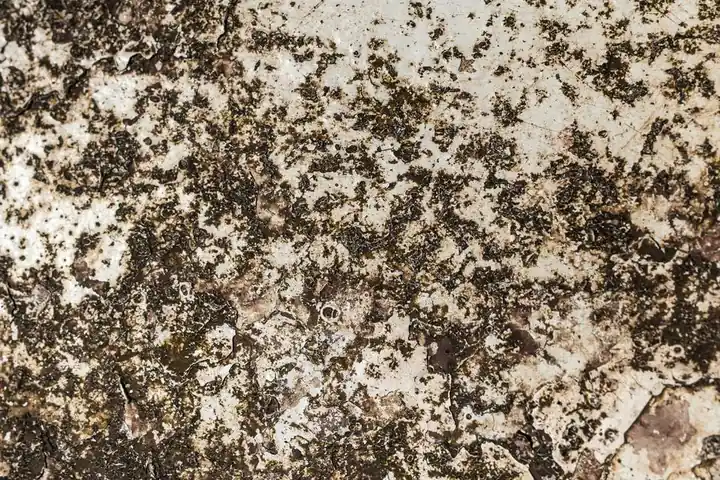
A Point Fermin homeowner noticed a musty smell in the hallway but no visible mold. A moisture meter flagged elevated readings behind the bathroom wall, and a borescope confirmed active growth on the back of the drywall. Air samples showed spore counts three times the outdoor baseline.

After

We scoped a two-wall remediation, contained the area, removed the affected drywall and insulation, treated framing with antimicrobial solution, and ran a HEPA air scrubber. Post remediation mold testing 48 hours later showed spore counts back at or below outdoor baseline.

Attic Mold From Roof Leak Resolved

Before

A 1928 bungalow in Downtown San Pedro had visible dark staining on attic sheathing near the chimney. The homeowner had no idea how long it had been there. Moisture readings on the sheathing were above 25 percent, and surface samples confirmed active growth.

After

We documented the leak path, scoped remediation for the affected sheathing and rafters, and coordinated with a roofer to fix the flashing first. Remediation used dry ice blasting mold removal on the framing, followed by antimicrobial treatment. Clearance testing passed on the first round.

Crawl Space Mold and Damp Joists Fixed

Before

A Vista del Oro home had a persistent musty odor in the living room. The crawl space had a torn vapor barrier, standing groundwater after storms, and visible mold on joists and subfloor. Relative humidity in the crawl space was above 80 percent.

After

We scoped full crawl space mold removal: HEPA vacuuming, antimicrobial treatment on framing, and installation of a new 10-mil vapor barrier with sealed seams. Post-remediation air sampling confirmed indoor spore counts matched the outdoor baseline.

Problems we solve

Mold Problems We Solve in San Pedro

Most mold calls start with a smell, a stain, or a symptom. Here are the problems we see most often in San Pedro homes and how we solve them.

Ask a pro →
01

Musty odor with no visible growth

We use a thermal imaging camera and borescope inspection camera to find the hidden source, then sample the air to confirm species and spore counts. Once we locate it, we scope the remediation precisely so you are not paying to tear out clean walls.

↗
02

Ceiling mold after a roof leak

We inspect the attic above the stain, check sheathing and rafters with a moisture meter, and sample the growth. Our report identifies the leak path and the affected materials so the roof repair and remediation happen in the right order.

↗
03

Crawl space mold and high humidity

We inspect the vapor barrier, joists, and subfloor, sample the growth, and measure relative humidity. Remediation includes HEPA vacuuming, antimicrobial treatment on framing, and a new vapor barrier to stop the moisture source.

↗
04

Bathroom mold that keeps coming back

We check the exhaust fan CFM, look for leaks behind the shower valve, and inspect the wall cavity behind tile. Once we identify the source, we scope the removal and the ventilation fix so the mold does not come back.

↗
Proof you can check

Credentials and Reviews

✓
IICRC AMRT (Applied Microbial Remediation Technician)Institute of Inspection, Cleaning and Restoration Certification
✓
IICRC WRT (Water Restoration Technician)Institute of Inspection, Cleaning and Restoration Certification
✓
ACAC Certified Microbial InvestigatorAmerican Council for Accredited Certification
✓
EPA Lead-Safe CertificationU.S. Environmental Protection Agency
✓
California Contractors State License Board (CSLB) licenseCalifornia Contractors State License Board
Good questions

Frequently Asked Questions About Mold Inspection

(833) 929-5837 →

Most San Pedro homes run $250 to $650 in 2026, depending on square footage and how many air and surface samples we collect. A standard 1,500-square-foot house with three air samples and one outdoor baseline typically lands around $350. Crawl space and attic add-ons, or additional sampling zones for larger properties, push the number higher. We quote the full price before we arrive.

It includes a full visual walkthrough of living areas, attic, and crawl space, moisture meter and thermal imaging scans, borescope inspection of suspect cavities, and air plus surface sampling sent to an accredited lab. You get a written report with photos, moisture readings, species identification, and spore counts. We also walk you through the findings and outline which areas need remediation versus simple drying.

Every two to three years for a healthy home, and immediately after any water event: a burst pipe, roof leak, appliance failure, or storm intrusion. San Pedro's marine humidity means waterfront and hillside properties benefit from annual checks. If you have had remediation done, a post remediation mold testing clearance check within 24 to 48 hours of completion confirms the job actually worked.

Look for IICRC AMRT certification, ACAC Certified Microbial Investigator training, and lab-accredited reporting, not just a guy with a flashlight. Ask whether the inspector follows the ANSI/IICRC S520 Standard for Mold Remediation and whether samples go to an accredited third-party lab. We meet all of those, and we will show you the credentials before we start.

Ready when you are

Book Your Mold Inspection in SAN PEDRO, California

Same-day and 24/7 appointments available. IICRC-certified inspectors, accredited lab results, and a written report you can act on. Call now and we will get you on the schedule today.

Book Inspection Now (833) 929-5837 →
Request an appointment

Contact Our San Pedro Mold Crew

Call us at (833) 929-5837 any time, day or night. We answer live 24/7 for emergencies and schedule same-day inspections for non-urgent jobs. You can also email info@moldremediationservicesanpedro.com and we will respond within a few hours during business hours.

Request received — our team will be in touch shortly.
Tap to call(833) 929-5837