01
Phone Intake
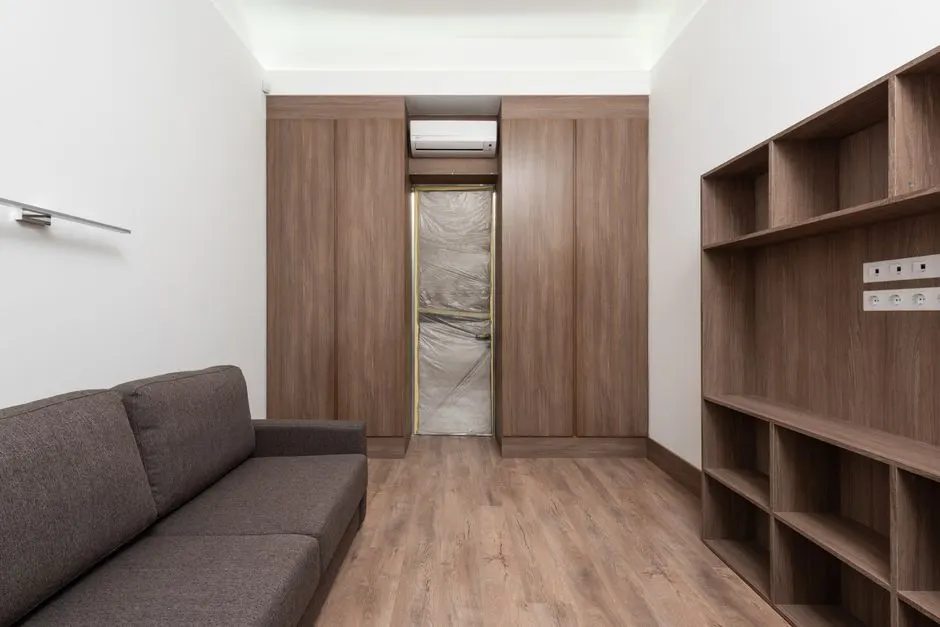
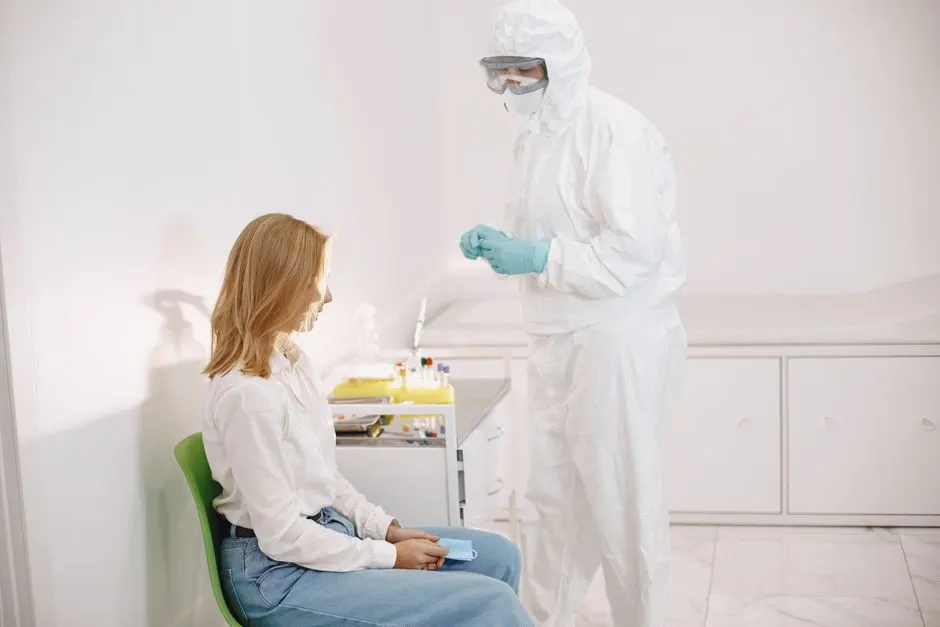
We ask about the building age, square footage, roof type, HVAC setup, and what you have noticed. If you have a prior water damage mold event, a tenant complaint, or a failed roof inspection, tell us. That call takes 10 to 15 minutes and lets us load the right equipment before we arrive.
02
Walkthrough and Moisture Mapping
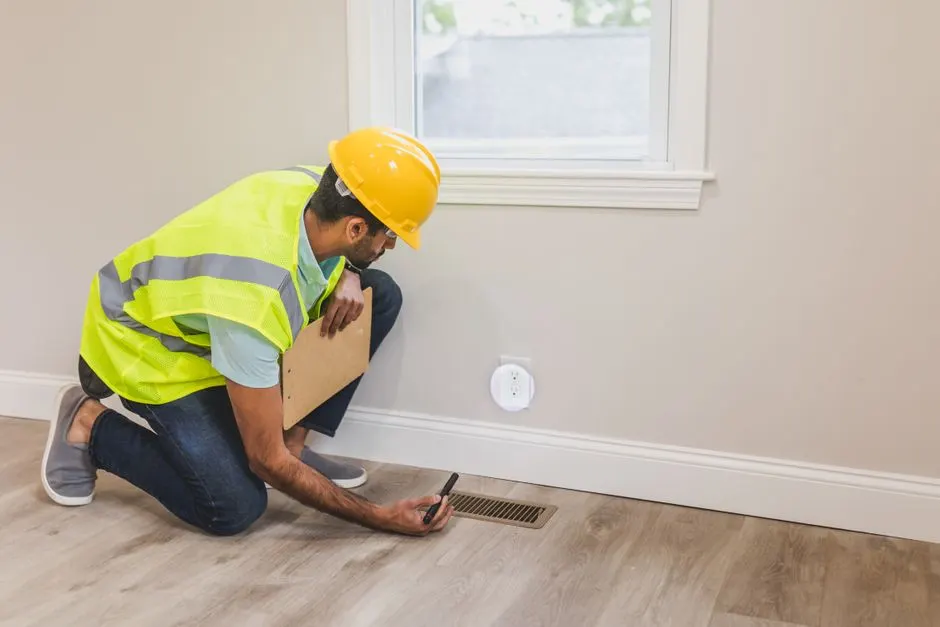
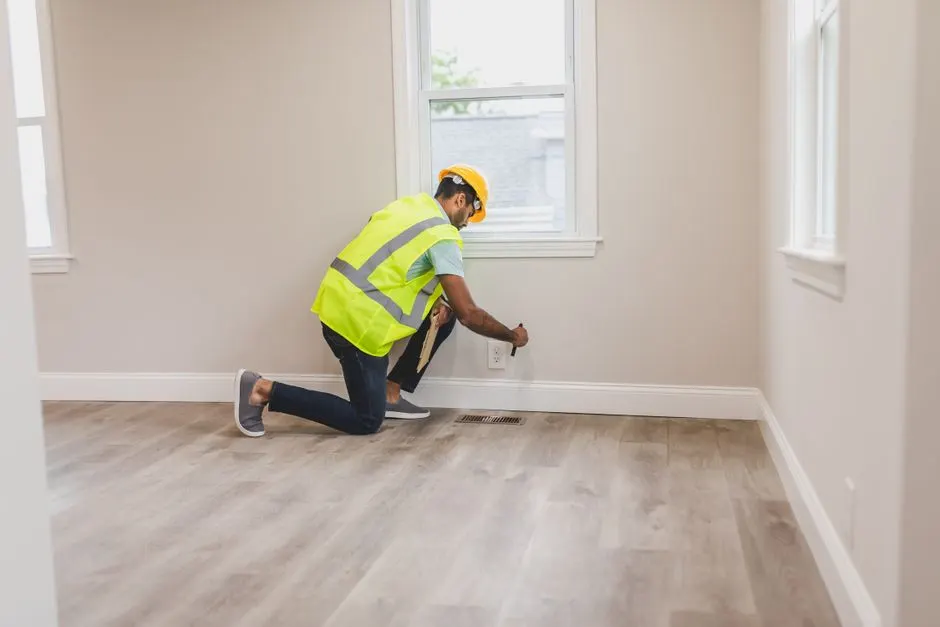
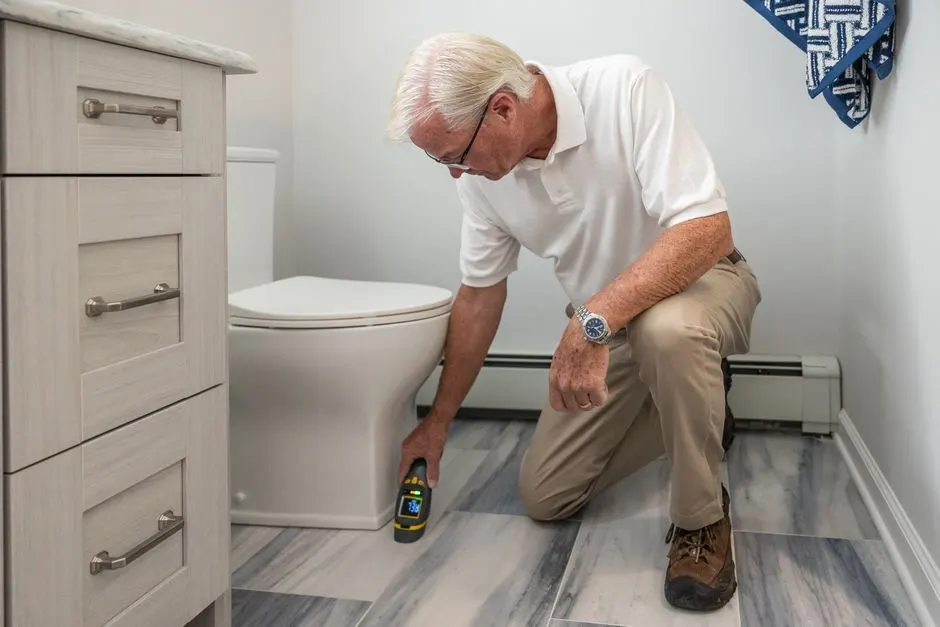
On site, we start at the roof or the top floor and work down. A moisture meter and thermal imaging camera scan walls, ceilings, and floors for temperature anomalies that signal hidden water. A borescope inspection camera goes into wall cavities through existing outlets and access panels. We photograph everything and mark findings on a floor plan.
03
Air and Surface Sampling
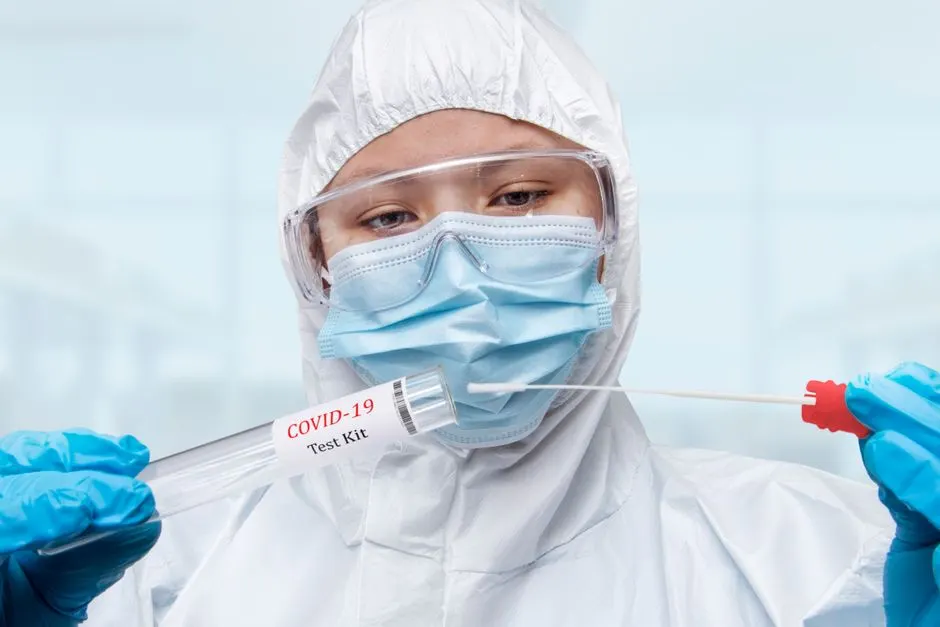
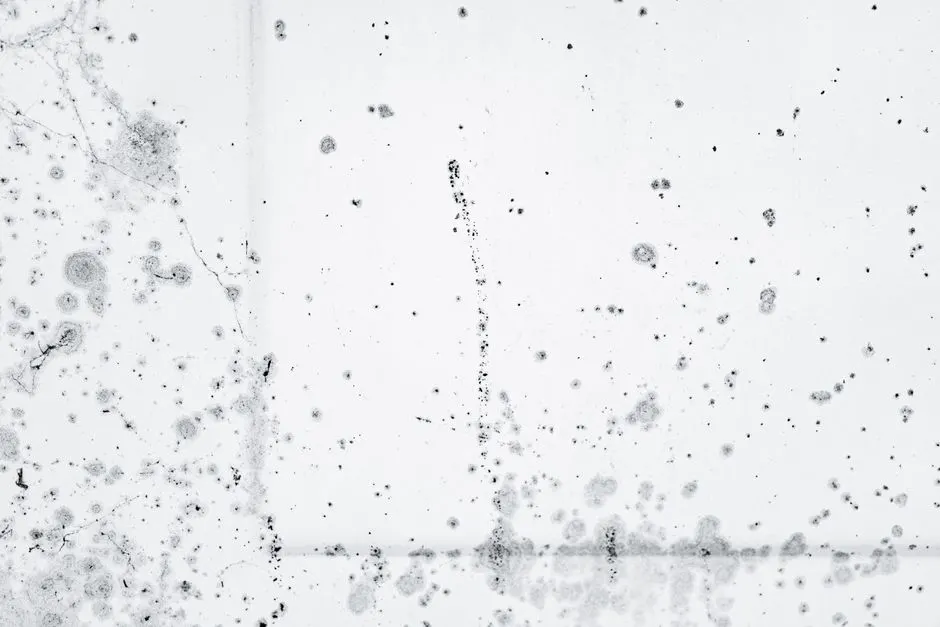
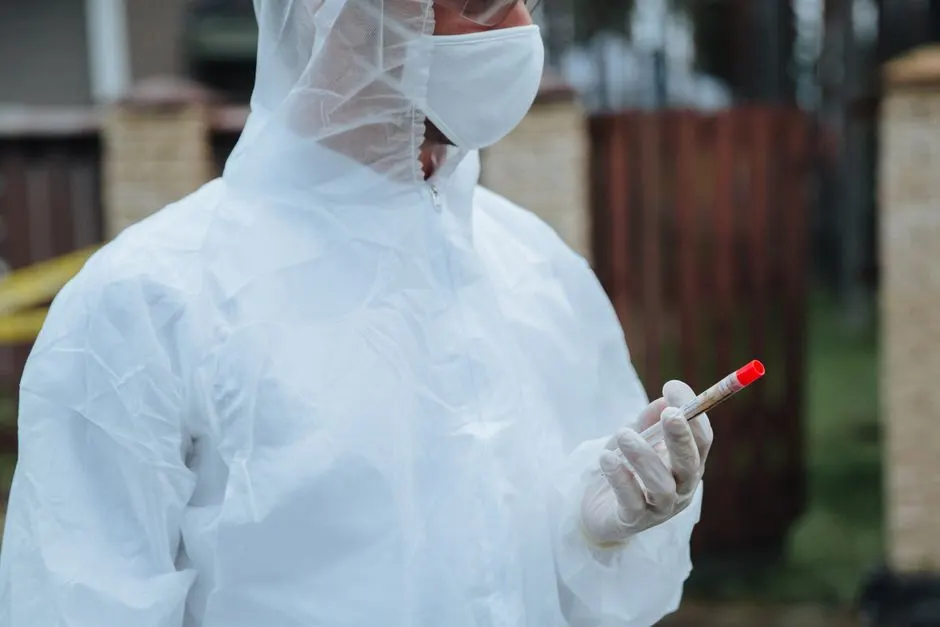
We pull outdoor control samples first, then indoor air samples from each HVAC zone and any room with visible growth or odor. Surface swabs or tape lifts go on suspect material. Samples ship to an accredited lab the same day, and results come back in 24 to 72 hours depending on the panel you choose.
04
Report and Scope
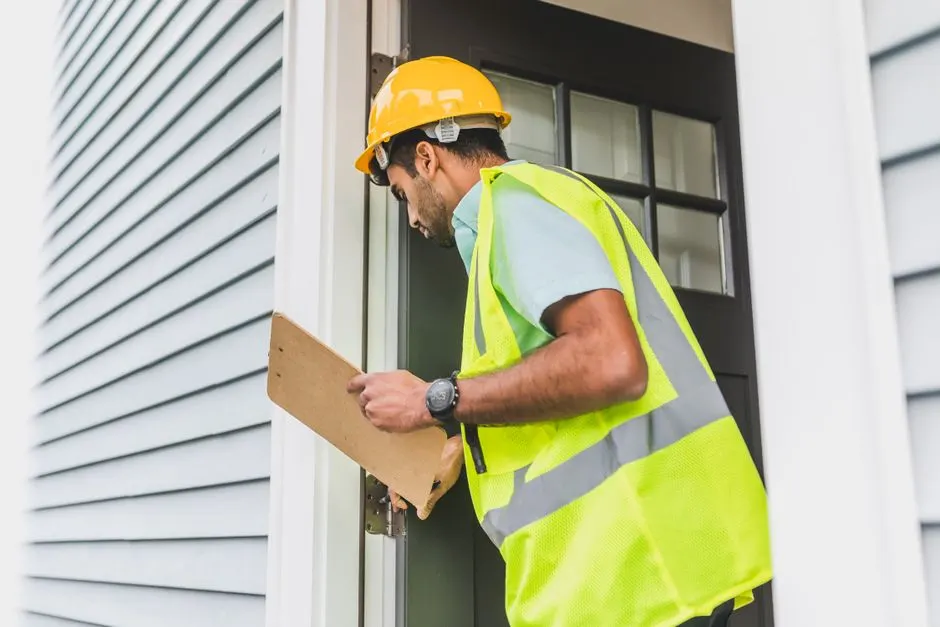
You receive a written report with lab results, spore counts by location, photo documentation, and a recommended scope of work. If remediation is needed, the report specifies containment requirements, affected square footage, and materials to be removed, which is exactly what a remediation contractor needs to bid the job accurately.
05
Clearance Planning
If you proceed with remediation, we plan the post remediation mold testing up front. That means we agree on the clearance criteria before work starts, so nobody argues about whether the job passed. Most commercial clearances require air samples in each contained area plus one outdoor control, taken after the air scrubber has run.