Musty odor with no visible mold
We use a thermal imaging camera and borescope inspection camera to find the moisture source without cutting open walls. Once located, we sample the cavity and confirm what is growing before recommending any removal.
Emergency Mold Testing Services in SAN PEDRO, California means a certified inspector at your door with a moisture meter and thermal imaging camera, not a phone estimate. If you smell that musty odor after a roof leak, a burst supply line, or a foggy November morning in Harbor Highlands, we test the air, the surfaces, and the wall cavity, then tell you exactly what is growing and where. Call (833) 929-5837.
Emergency Mold Testing Services in SAN PEDRO, California is a diagnostic inspection that identifies active mold growth, moisture sources, and airborne mold spores before remediation begins. We start with a moisture meter and thermal imaging camera to map wet drywall, insulation, and framing, then use a borescope inspection camera inside wall cavities you cannot see. Air samples and surface swabs go to an accredited lab, and you get a written report with spore counts, species, and a scope of work. Most homes take 60 to 90 minutes on site.
San Pedro sits on the coast, so marine layer moisture, winter rain, and older stucco homes near Point Fermin and the Gaffey Street Corridor create perfect conditions for black mold growth and attic mold. We get calls after every storm for ceiling mold, crawl space mold, and water damage mold that started small and spread behind baseboards. If you are searching for urgent mold testing SAN PEDRO homeowners trust, we run 24 hour mold testing SAN PEDRO wide, seven days a week, including holidays.
Every emergency call includes the on-site inspection, sampling, lab analysis, and a written report. Remediation is a separate scope, quoted only if testing confirms growth. You are never obligated to book removal with us, and the report is yours to share with any contractor or adjuster.
We walk the property with a moisture meter and thermal imaging camera, checking every wall below a known leak, plus the attic, crawl space, and bathrooms. You get a moisture map with readings tied to each location.
Indoor air samples plus outdoor control samples, and surface swabs from any visible growth. Samples ship same day to an accredited lab with full chain-of-custody documentation.
The lab identifies species and counts spores per cubic meter. That is what tells you whether you are dealing with common Cladosporium or something more serious like Stachybotrys.
Photos, moisture readings, lab results, and a remediation scope written to ANSI/IICRC S520. Formatted for insurance adjusters and escrow agents.
Once results are in, we call you and go through the report line by line. If you have questions two weeks later, call back. We keep your file.
We ask four questions: where is the smell or stain, when did the water event happen, is anyone in the home asthmatic or immune-compromised, and has anyone else tested already. That takes five minutes and tells us whether to bring a full sampling kit or a quick-check setup.
A certified inspector walks the property with a moisture meter, thermal imaging camera, and borescope inspection camera. We check the attic, crawl space, bathrooms, and every wall below a known leak. Expect 60 to 90 minutes for a typical 1,500 sq ft San Pedro home.
We pull outdoor control samples plus indoor air samples and surface swabs from visible growth. Samples are sealed, labeled, and shipped same day to an accredited lab. Chain-of-custody paperwork is copied to you before we leave.
Before we pack up, we tell you what the moisture meter and thermal camera found. If there is active water intrusion, we flag it immediately so you can shut off the source or call a plumber while we are still on site.
Lab results land in 24 to 48 hours. You get a written report with spore counts, species identification, moisture maps, photos, and a remediation scope that meets ANSI/IICRC S520. We walk you through it by phone and answer questions line by line.
Purpose-built equipment, used by trained technicians — so the job is done accurately the first time.
Pin and pinless readings on drywall, framing, and subfloor. Tells us where water is sitting even when the surface feels dry.
Maps temperature differentials behind walls and ceilings to find hidden moisture without cutting open the surface.
Goes inside wall cavities through a small hole. We see the back of the drywall and the framing without demolition.
Runs during inspection and remediation to capture airborne mold spores and keep the work area clean.
Maintains negative pressure inside containment so spores do not migrate to unaffected rooms during removal.
Final-pass cleaning on surfaces after removal. Captures particles down to 0.3 microns.
Dri-Eaz and Phoenix Restoration units that dry the structure after a water event so mold does not return.
A supply line under the kitchen sink let go overnight. The homeowner mopped up but two days later noticed a musty smell and dark staining on the cabinet base. Moisture meter readings hit 28% in the wall cavity behind the sink.
We sampled the cavity and confirmed Cladosporium growth on the back of the drywall. Remediation removed 12 square feet of drywall, HEPA vacuumed the framing, and applied antimicrobial solution. Post-remediation air samples came back at outdoor baseline.
A roof leak during the last storm soaked the attic sheathing above the master bedroom. The homeowner saw a ceiling stain but no visible mold. Thermal imaging showed moisture spread across 40 square feet of sheathing and insulation.
Lab results confirmed Penicillium and Aspergillus growth on the sheathing. We removed affected insulation, HEPA vacuumed the framing, treated with mold encapsulant, and verified clearance with post-remediation air samples. Spore counts dropped from 4,200 spores/m3 to 380 spores/m3.
Ground-floor condo had a persistent musty odor for months. No visible mold inside the unit. Crawl space inspection found 60% relative humidity, mold growth on floor joists, and deteriorated insulation batts.
We sampled the joists and confirmed mold growth. Remediation removed the insulation, HEPA vacuumed and treated the joists with antimicrobial solution, and installed a vapor barrier. Indoor air spore counts dropped to match outdoor baseline within 48 hours of clearance testing.
Most San Pedro mold calls come down to one of these four situations. If any of them sound familiar, testing is the right next step before you spend money on cleaning or tear-out.
Ask a pro →We use a thermal imaging camera and borescope inspection camera to find the moisture source without cutting open walls. Once located, we sample the cavity and confirm what is growing before recommending any removal.
We test the stained area and the attic above it, identify whether the leak is active, and give you a written scope. If the leak is still live, we flag it so you can get a roofer out before remediation starts.
We inspect the crawl space with a moisture meter and borescope, sample the affected joists and insulation, and recommend a vapor barrier plus targeted removal. Post-remediation testing confirms clearance.
We test the wall cavity behind the tile or drywall, identify the moisture source, and give you a scope that addresses the cause. Usually it is a ventilation issue or a slow supply line leak.
Typical 2026 pricing runs $295 to $850 depending on square footage and how many samples we pull. A single-room check with one air sample and one surface swab sits at the low end. A full-property assessment with attic, crawl space, and multiple cavity samples sits at the high end. Lab fees are included in that number, not billed separately.
We do. Our dispatch line at (833) 929-5837 is staffed around the clock, including holidays, and we run overnight crews for water damage calls. If you are searching for 24 hour emergency mold testing SAN PEDRO CA after a midnight pipe burst, we can usually have an inspector on site within 60 to 90 minutes.
Most San Pedro addresses see an inspector within 60 to 90 minutes of the call. Harbor Highlands, South Shores, and the Pacific Avenue District are usually on the faster end. If you are out near Terminal Island or the Port of Los Angeles, add 15 to 20 minutes for gate access and traffic.
Visible black mold growth larger than 10 square feet, a musty odor with no visible source, mold after a water event within the last 72 hours, or anyone in the home with new respiratory symptoms. If you see ceiling mold after a storm or smell that damp-crawl-space smell in your living room, call us. Those are the calls we treat as emergencies.
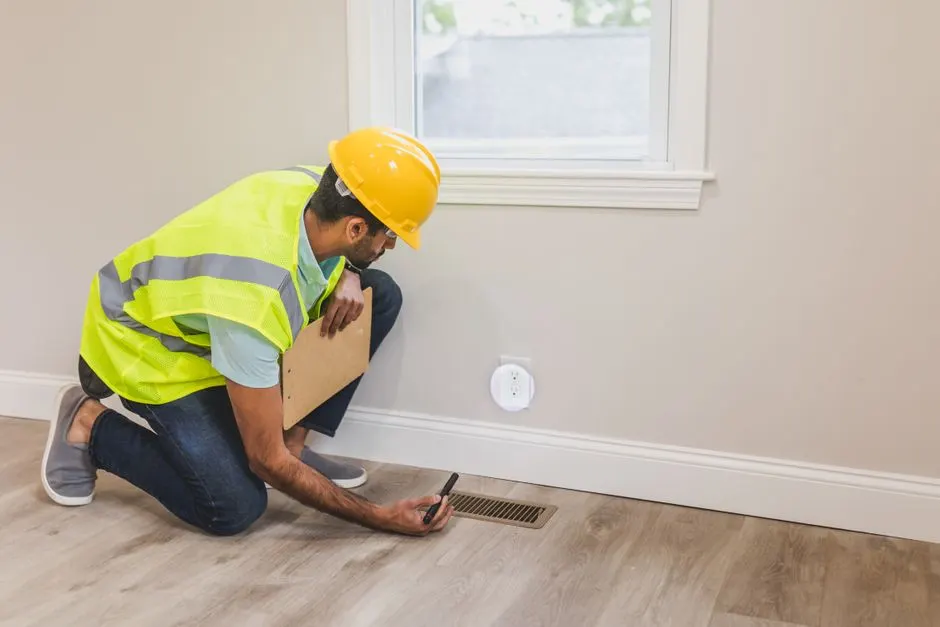 Mold Inspection Near MeA scheduled inspection for San Pedro homeowners who suspect mold but have no active water event. We check attic, crawl space, and bathrooms with a moisture meter and thermal imaging camera, then give you a written report.Explore →
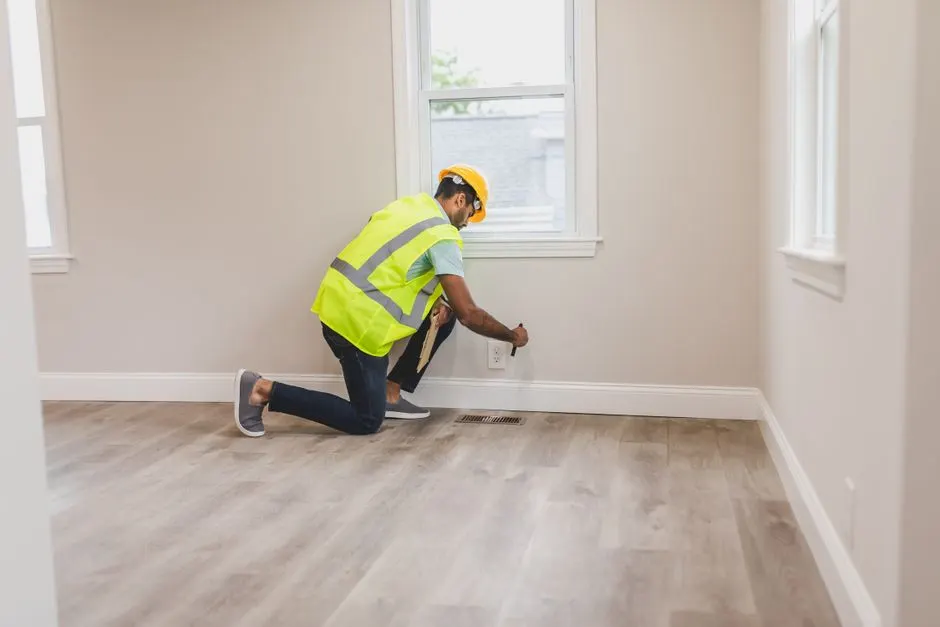 Mold InspectionOur standard inspection covers visible areas plus a borescope look inside wall cavities below known leaks. It is the right call when you want a baseline before buying a home in Vista del Oro or Barton Hill.Explore →
 Mold TestingAir and surface sampling sent to an accredited lab. This is the test that tells you species and spore count, which matters when you need documentation for insurance or a real estate transaction.Explore →
 Mold Testing Near MeSame service, local crew. We cover every San Pedro neighborhood from Cabrillo Beach to Rancho Palos Verdes Border, and we bring the lab kits with us so there is no second trip.Explore →
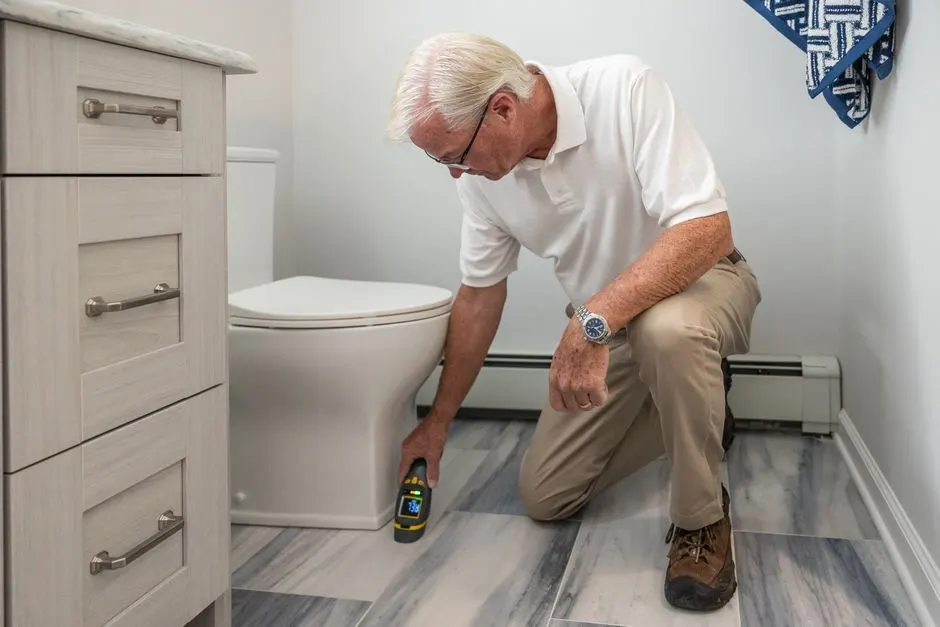 Certified Mold InspectorOur ACAC Certified Microbial Investigator signs every report. If your adjuster or attorney needs a credentialed inspector on record, this is the service to book.Explore →
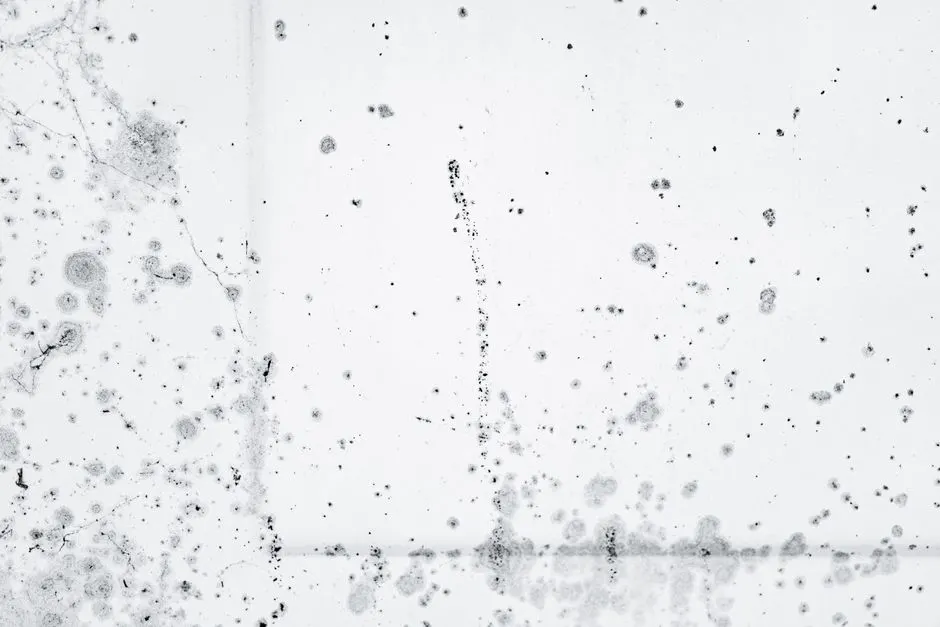 Black Mold InspectionTargeted inspection for suspected Stachybotrys growth. We sample the dark patches, check the moisture source behind them, and tell you whether it is actually black mold or just a stained surface.Explore →
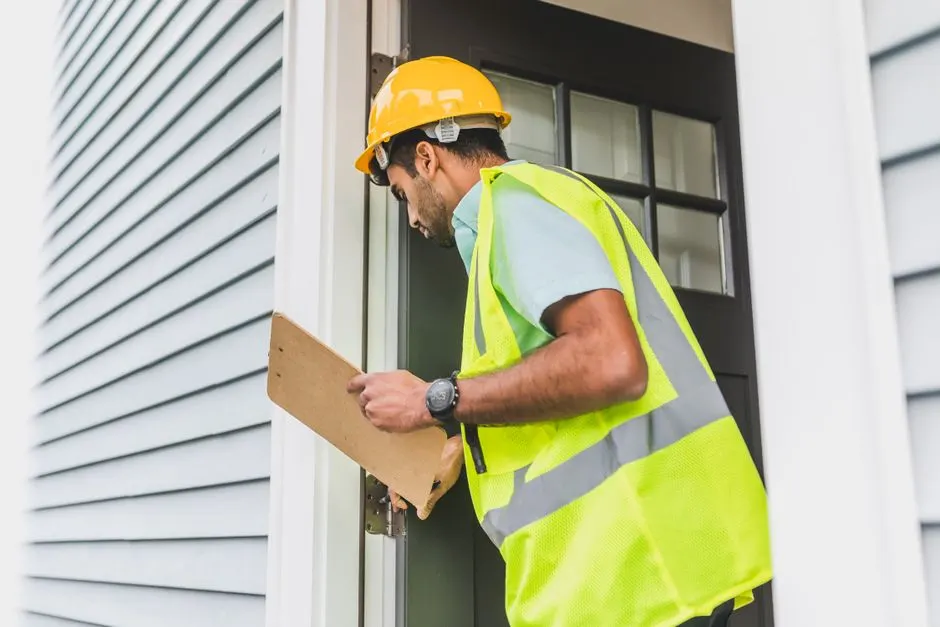 Home Mold InspectionWhole-house inspection for San Pedro homeowners. Attic, crawl space, every bathroom, kitchen, laundry, and any wall below a known leak. Takes two to three hours on a typical 1,800 sq ft home.Explore →
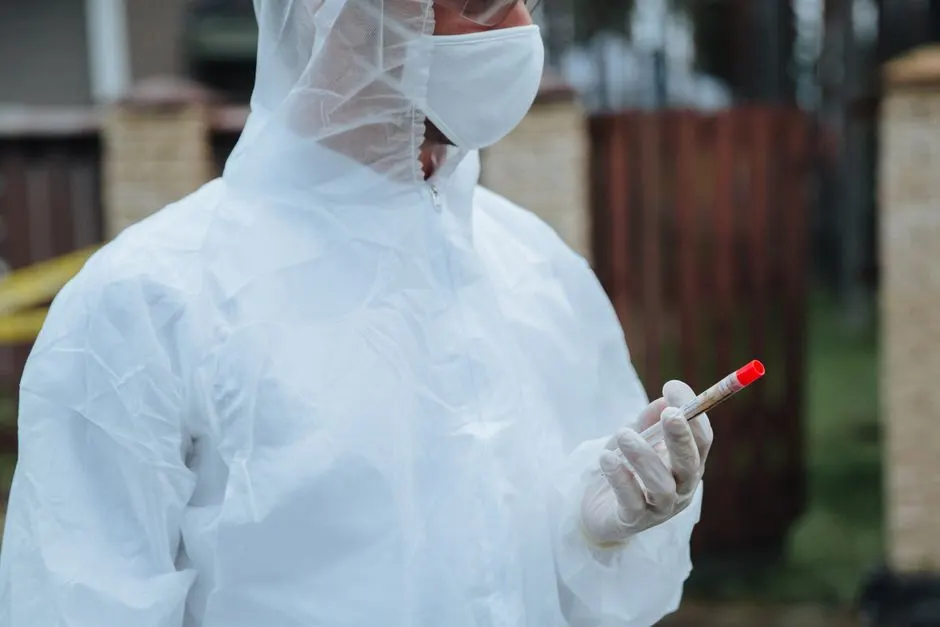 Residential Mold TestingAir and surface testing for single-family homes and condos. We pull outdoor control samples so the lab can compare indoor spore counts against the local baseline.Explore →
If you smell musty air, see dark staining on drywall, or just had a water event, do not wait for it to spread. We answer the phone 24/7 and dispatch within 60 to 90 minutes across San Pedro. Call (833) 929-5837.
Book Emergency Testing (833) 929-5837 →Call us at (833) 929-5837 any time, day or night. We answer live 24/7 for emergencies and schedule same-day inspections for non-urgent jobs. You can also email info@moldremediationservicesanpedro.com and we will respond within a few hours during business hours.