Why is mold growing on my ceiling and what to do next
Ceiling mold in San Pedro almost always traces back to a moisture source above the drywall. Here is why it happens and exactly what to do next.
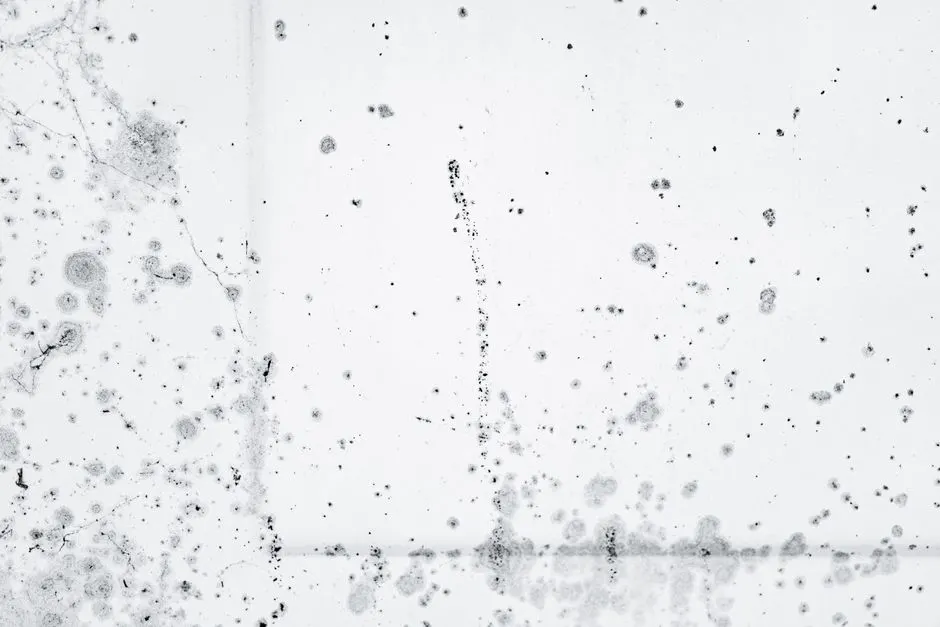
Mold grows on your ceiling because moisture is trapped above the drywall - almost always from a roof leak, a leaking pipe in the attic, a failed AC condensate line, or condensation from poor attic ventilation. The mold itself is a symptom; the water source is the problem. Until that source is fixed, cleaning the ceiling only buys you a few weeks. This guide covers the specific reasons ceiling mold shows up in San Pedro homes, how to tell mold from an ordinary water stain, what to do in the first 24 hours, and when it is time to bring in a professional.
Why is mold growing on my ceiling in San Pedro, California?
Why is mold growing on my ceiling in San Pedro, California is a question we hear almost every week, and the answer is almost always the same: water is reaching the back of your ceiling drywall and staying there. Mold needs three things to colonize - moisture, organic material (paper facing on drywall, wood framing, dust), and temperatures between roughly 60°F and 80°F. San Pedro delivers all three year-round. The missing piece is almost always a slow, hidden water intrusion that has been running for weeks before you noticed the stain.
Ceiling mold is a fungal growth that develops on the underside of drywall or ceiling tiles when sustained moisture above the surface exceeds 24 to 48 hours. Once the paper facing on drywall stays damp that long, mold spores that are already in the air settle in and start colonizing. Visible spotting usually appears 7 to 14 days after the water event, which is why homeowners often cannot connect the dots to a rainstorm or plumbing drip from three weeks earlier.
The reason ceilings are so prone to this is simple physics. Water runs downhill and pools at the lowest point of whatever surface it lands on. A roof leak that enters at the ridge line can travel 15 feet along a rafter before it drips onto the back of your ceiling. By the time you see a brown ring, the moisture has been sitting there for a while.
The San Pedro-specific reasons ceiling mold shows up here
San Pedro sits on a coastal hillside with marine layer, salt air, and housing stock that ranges from 1920s bungalows near Point Fermin to 1960s tract homes in the Palisades and newer builds in the Ponte Vista area. Each of those eras brings its own ceiling mold triggers.
Marine layer and coastal humidity
From May through September, San Pedro sits under a marine layer that pushes relative humidity indoors to 65% or higher on many mornings. That is above the 55% threshold where mold growth accelerates on cool surfaces. Ceilings in unventilated rooms - closets, hallways, bathrooms without exhaust fans - are the first place condensation shows up. We routinely find mold on the ceiling directly above bathroom doors where steam escapes and has nowhere to go.
Aging roofs and flat roof sections
Plenty of San Pedro homes, especially the older bungalows and additions, have low-slope or flat roof sections. Flat roofs in a coastal climate fail at seams and penetrations first. A pinhole at a vent boot or a lifted seam on rolled roofing can leak for an entire rainy season before it shows up as a ceiling stain. If your home was built before 1980 and still has its original roof structure, this is the first thing to check.
Attic condensation in older homes
Attics in 1920s and 1940s San Pedro homes were often built with minimal ventilation - sometimes just two gable vents. When warm, moist air from the living space rises into a cool attic, it condenses on the underside of the roof sheathing and drips onto the ceiling below. This is a different problem than a leak, and it does not show up on a roof inspection. It shows up as mold on the ceiling below the attic, often in a pattern that follows the roof framing.
If you are not sure whether you are dealing with a leak or condensation, a Mold Inspection in SAN PEDRO, California will tell you which one you have. We use moisture meters and thermal imaging to trace the source before we touch the ceiling.
How to tell ceiling mold apart from a water stain
A water stain is a discoloration - brown, yellow, or rust-colored - where water has soaked into the drywall and dried. Ceiling mold is a growth: it has texture, it spreads, and it gets worse over time even if the ceiling looks dry.
Here is how to tell them apart in about 30 seconds:
- Texture test. Run a gloved finger across the spot. A stain feels like the rest of the ceiling. Mold feels fuzzy, powdery, or slightly raised.
- Smell test. Stand under the spot and take a slow breath. A musty, earthy, wet-cardboard smell means active mold. A dry stain has no smell.
- Growth test. Take a photo with your phone, wait 5 to 7 days, and take another from the same angle. If the spot has grown or changed shape, it is mold.
- Color test. Mold is usually black, dark green, gray, or white. Water stains are brown or yellow. Black mold on a ceiling is not automatically the toxic kind - but it does mean active moisture.
If the spot is larger than a dinner plate, or if you can see it spreading, do not disturb it. Disturbing mold without containment spreads spores through the room and into your HVAC system. That is when a small ceiling problem becomes a whole-house problem.
What to do about ceiling mold in San Pedro - step by step
What to do about ceiling mold in San Pedro comes down to five steps, in this order. Skipping any one of them is why mold comes back.
- Stop the water. Find and fix the source first. If it is a roof leak, get a roofer out. If it is a plumbing drip, shut off the supply and repair the line. If it is condensation, the fix is ventilation - not a bigger AC unit.
- Isolate the area. Close the door, tape plastic over the doorway if you can, and turn off the HVAC system so spores do not circulate.
- Document everything. Photograph the ceiling, the source, and any damaged belongings. If this is an insurance claim, this documentation is what gets it approved.
- Get the moisture out. Run a dehumidifier and fans in the room. Target indoor relative humidity below 50%. This does not kill mold, but it stops it from spreading while you wait for remediation.
- Call a remediation company. Ceiling mold almost always means mold inside the ceiling cavity - on the back of the drywall, on the framing, and sometimes on the insulation. Surface cleaning does not reach it.
If the water source was a burst pipe, an overflowing toilet, or a roof failure during a storm, you are dealing with a Water Damage Mold Remediation in SAN PEDRO, California situation, not a simple cleanup. Those jobs need extraction, structural drying, and antimicrobial treatment before any mold work starts.
Common mistakes that make ceiling mold worse
The single biggest mistake we see is homeowners painting over the stain. Kilz and similar stain-blocking primers hide the discoloration but do nothing about the mold behind the drywall. Six weeks later the mold is back, and now it is under a layer of paint that has to be removed too.
Other mistakes that turn a small ceiling problem into a big one:
- Bleaching the surface. Household bleach kills mold on non-porous surfaces like tile, but drywall is porous. The bleach evaporates, the mold roots stay, and the moisture that fed it is still there.
- Running a fan without fixing the source. A fan moves air. It does not stop water from entering. If the leak is still active, you are just drying the surface while the cavity stays wet.
- Ignoring the attic. Ceiling mold almost always has a twin in the attic - on the sheathing, the rafters, or the insulation. If the remediator only treats the ceiling, the source is still up there.
- Assuming renters insurance covers it. In most San Pedro rentals, the landlord's policy covers the structure and the tenant's policy covers belongings. Neither one covers mold that resulted from neglected maintenance.
- Waiting for the rainy season to end. Mold does not pause. It doubles in coverage roughly every 7 to 10 days when moisture is present. A spot the size of a quarter in November is the size of a dinner plate by January.
We also see homeowners skip testing because they assume the color tells them everything. It does not. A Mold Testing in SAN PEDRO, California gives you the species, the spore count, and a baseline you can compare against after remediation. That matters if you have allergies, asthma, or a real estate transaction on the line.
When to call a professional
Call a professional when the mold covers more than 10 square feet, when you can smell it but cannot see it, when the ceiling is sagging or soft, or when anyone in the home has asthma or a compromised immune system. Those are the thresholds where DIY cleaning stops being safe.
We also get called when the ceiling has already been cleaned once and the mold came back. That is a sign the source was never fixed, or the cavity was never dried. Either way, the next step is a proper assessment, not another round of bleach.
Our team at Mold Remediation Service San Pedro handles the full job - we find the source, contain the area, remove the affected drywall and insulation, treat the framing, and verify the result with clearance testing before we close the ceiling back up. If you are in Point Fermin, the Palisades, or anywhere else in the 90731 or 90732 ZIP codes, we can usually be on site the same day you call.
Frequently Asked Questions
Why is mold growing on my ceiling in San Pedro, California?
Because moisture is trapped above the ceiling drywall. The most common sources in San Pedro are roof leaks on low-slope sections, attic condensation from poor ventilation, AC condensate line failures, and slow plumbing drips. Mold needs 24 to 48 hours of sustained moisture to start colonizing.
Is ceiling mold dangerous in San Pedro?
It can be. Common ceiling species like Cladosporium and Penicillium trigger allergies, and Stachybotrys (black mold) produces mycotoxins. Risk is highest for children, the elderly, and anyone with asthma. Any mold over 10 square feet should be handled by a professional.
Who removes ceiling mold near me in San Pedro, CA?
Licensed mold remediation contractors with containment equipment, HEPA filtration, and post-remediation verification. Mold Remediation Service San Pedro handles ceiling mold across the 90731 and 90732 ZIP codes, including Point Fermin, the Palisades, and Ponte Vista. Call (833) 929-5837.
How much does ceiling mold removal cost in San Pedro?
Typical 2026 pricing in San Pedro runs $1,200 to $3,500 for a single ceiling area, depending on square footage, whether drywall and insulation need removal, and whether the source was a leak or condensation. Whole-room remediation with reconstruction can run $4,000 to $8,000.
Can I just paint over ceiling mold?
No. Paint and stain-blocking primer hide the discoloration but do not kill the mold or fix the moisture. The mold will return within weeks, and the paint makes the eventual remediation more expensive because it has to be removed along with the drywall.
Get help with Mold Remediation Service in San Pedro
Ceiling mold does not fix itself, and it does not stay the same size. Every week you wait, the affected area grows and the repair bill grows with it. We find the source, remove the mold, and verify the ceiling is clean before we close it up.
Call Mold Remediation Service San Pedro at (833) 929-5837 for same-day inspection and a written scope of work. We serve all of San Pedro, including Point Fermin, the Palisades, and Ponte Vista.