Certified inspectors, moisture mapping, and lab-backed results for harbor-area homes

Basement Mold Inspection in SAN PEDRO, California

Basement Mold Inspection in SAN PEDRO, California is the fastest way to find out whether that musty smell in your lower level is active mold growth or just damp air. We inspect crawl spaces, finished basements, and storage rooms across the harbor area, then hand you a written report with lab results and a clear fix. Call (833) 929-5837.

↗
Fast online booking

Request service today

Tell us what is happening. Our local team will confirm your visit shortly.

No spam. No obligation. Just practical help.
Thanks — we'll call shortly to confirm your visit.
Professional Basement Mold Inspection in SAN PEDRO
Careful work. Honest options.
About this service

What Basement Mold Inspection in SAN PEDRO, California Covers

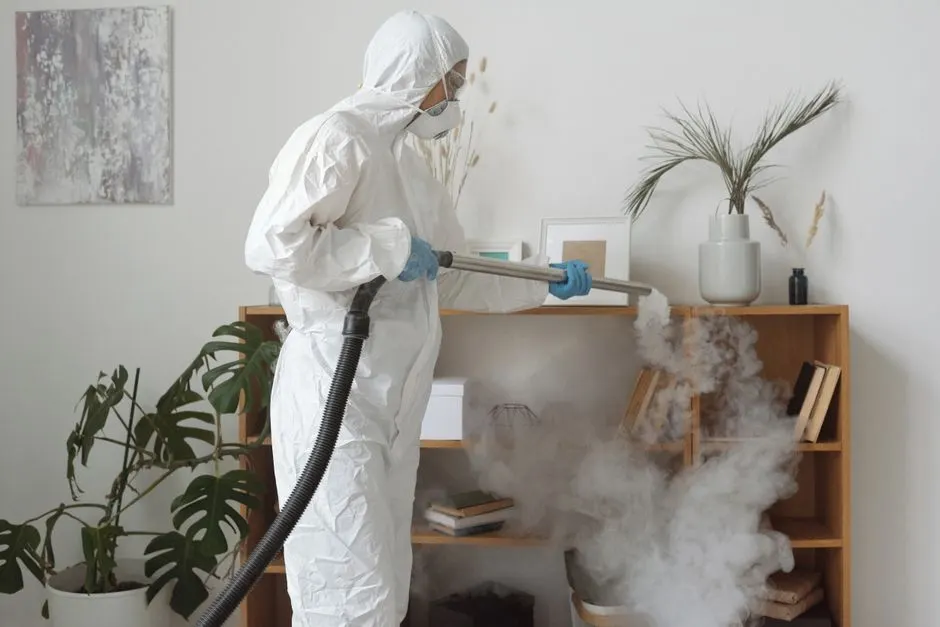
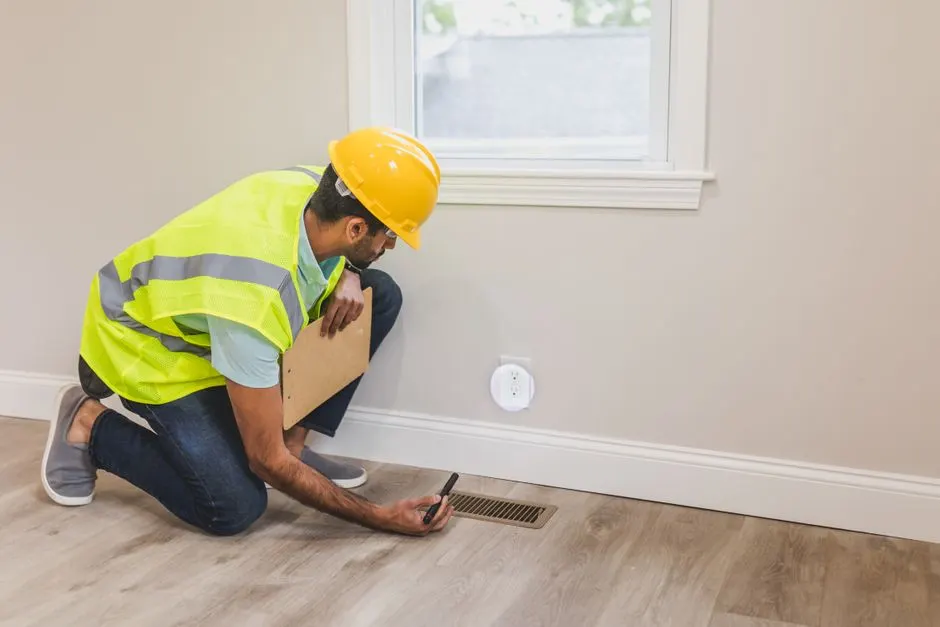
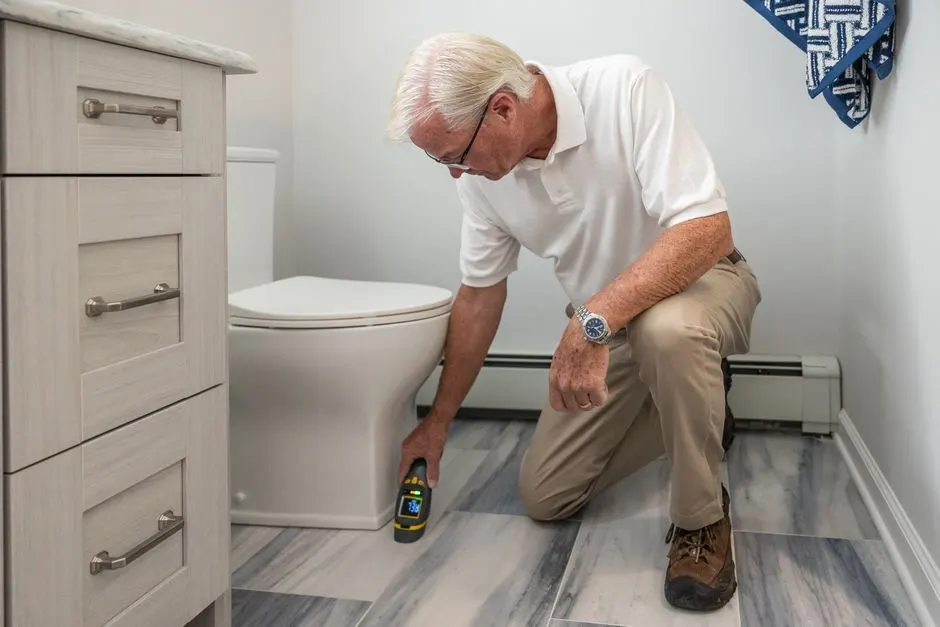
Basement Mold Inspection in SAN PEDRO, California is a full visual and instrument-based evaluation of your lower level, from the slab edge to the ceiling joists. We run a moisture meter across every wall plane, scan for hidden water with a thermal imaging camera, and push a borescope inspection camera behind finished drywall and insulation where mold hides after a slow leak. Air and surface samples go to an accredited lab, and you get a written report with spore counts, photos, and a remediation scope.

San Pedro sits on the harbor, and that marine layer keeps basements and crawl spaces damp for months at a time. Add the older housing stock around Barton Hill and the Gaffey Street Corridor, plus decades of water damage mold from failed drains and irrigation lines, and you get the two conditions mold needs: moisture and organic material. If you have been searching basement mold testing SAN PEDRO and keep getting vague answers, we test, document, and explain exactly what is growing and why.

  • ✓ Find Hidden Moisture
  • ✓ Lab-Backed Answers
  • ✓ Stop Musty Odors
  • ✓ Protect Your Air Quality
What's included

What Our Basement Mold Inspection Includes

Every inspection is a complete evaluation of your basement and the moisture sources feeding it. We include visual assessment, instrument testing, and lab sampling in the base fee. Remediation, encapsulation, and post-remediation testing are quoted separately if the report shows they are needed.

✓

Visual Mold Assessment

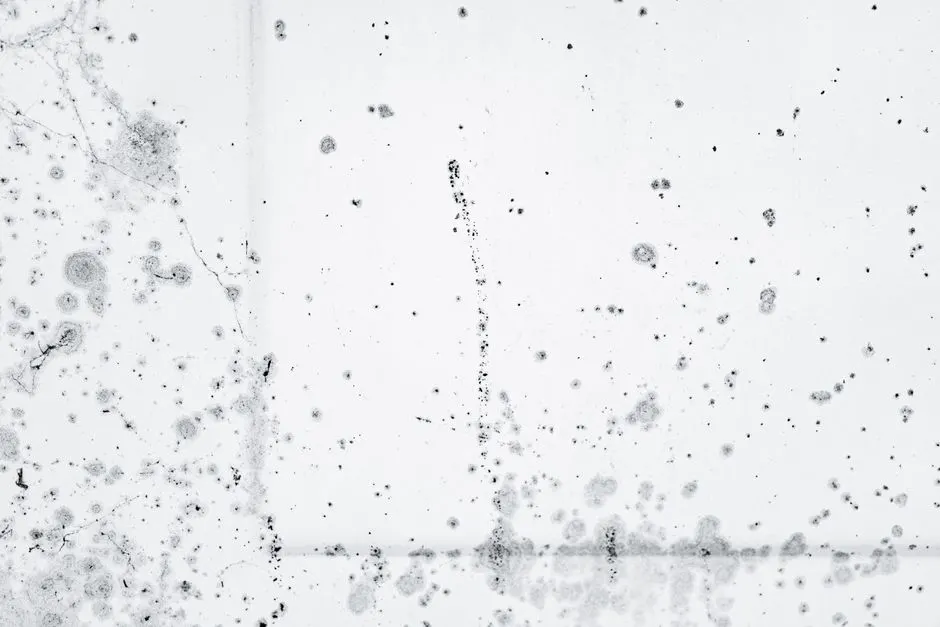
Full walkthrough of the basement, crawl space, and adjacent framing. We photograph every suspect area, note staining and efflorescence, and document any visible black mold growth on joists, drywall, or insulation.

✓

Moisture Meter Mapping

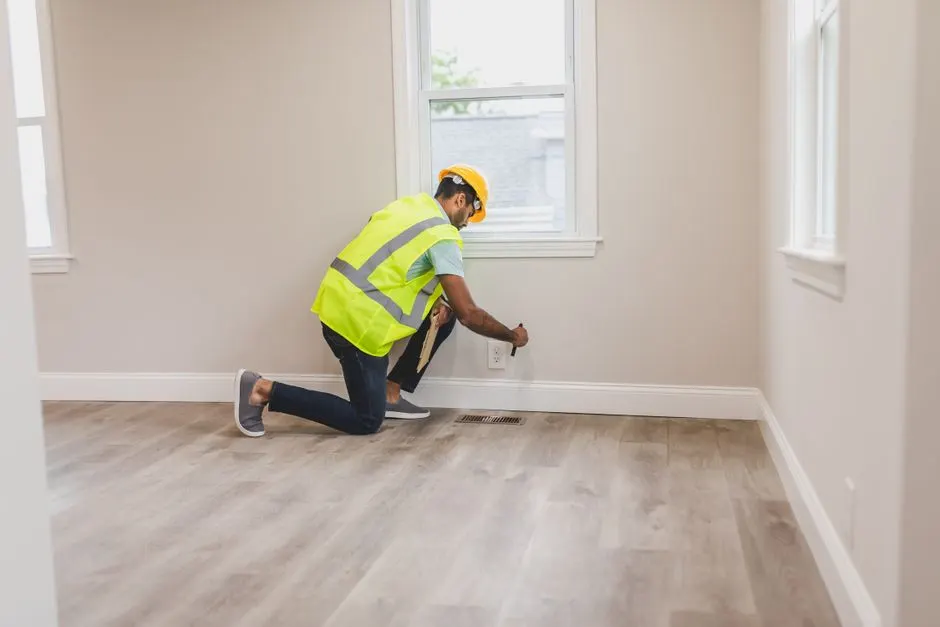
We take moisture readings across every wall plane, slab edge, and rim joist. Readings above 20% moisture content flag active water intrusion and are recorded in the report with a floor plan.

✓

Thermal Imaging Scan

A thermal imaging camera reveals temperature anomalies behind finished surfaces. This is how we find hidden leaks, missing insulation, and cool spots that condense moisture inside wall cavities.

✓

Air and Surface Sampling

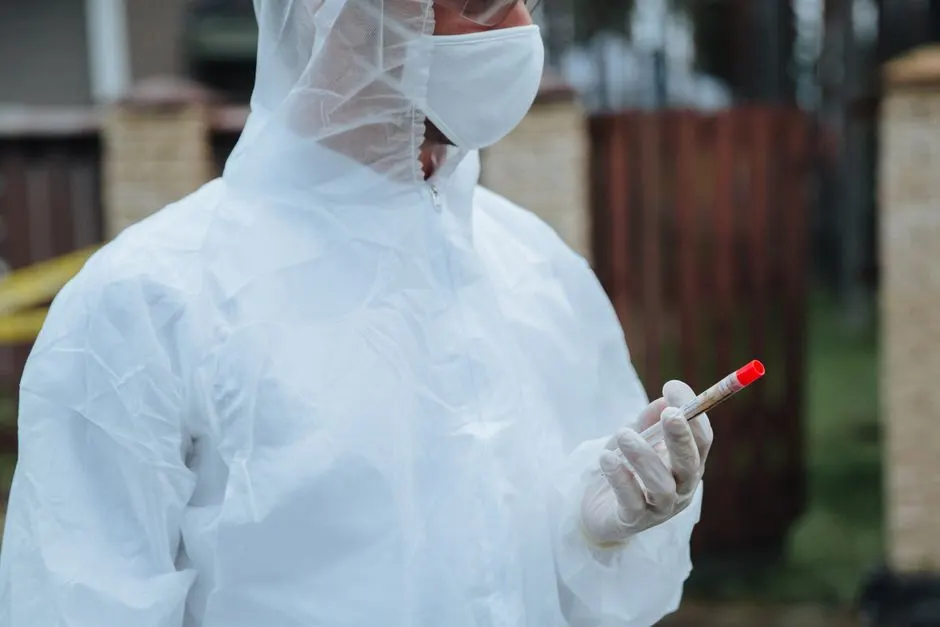
Calibrated air sampling pumps collect spore counts from the basement and an outdoor control. Surface samples from visible growth identify species, including Stachybotrys, Aspergillus, and Penicillium.

✓

Written Report With Lab Data

You receive a report with photos, moisture readings, lab results, and a recommended scope. If remediation is needed, we include an ANSI/IICRC S520-aligned plan and a written estimate.

✓

Remediation Scope and Estimate

When growth is confirmed, we provide a line-item scope covering containment, HEPA filtration, removal, antimicrobial treatment, and post-remediation verification. No obligation to book with us.

How it works

Our Basement Mold Inspection Process

01

Phone Intake

We ask when the moisture started, whether there was a flood or plumbing leak, and what you smell. That call takes about 10 minutes and lets us load the right gear before we roll. Same-day and 24/7 appointments are available for active leaks.

02

Visual Sweep

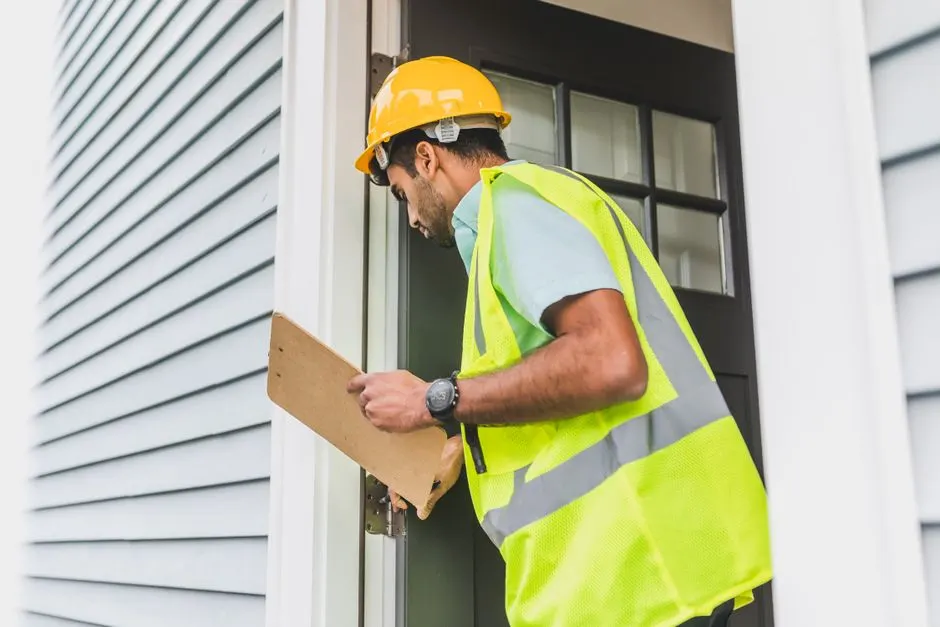
Our inspector walks the basement, crawl space, and the floor above it, checking rim joists, slab edges, and under stairs. We photograph every suspect area and note water staining, efflorescence, and any black mold growth on joists or drywall paper.

03

Instrument Testing

We run a moisture meter across wall planes, scan with a thermal imaging camera for temperature anomalies, and use a borescope inspection camera inside wall cavities. This step takes 45 to 90 minutes depending on basement size and how much is finished.

04

Air and Surface Sampling

We set air samples with a calibrated pump and take tape-lift or swab samples from visible growth. Samples ship to an accredited lab the same day, and results come back in 24 to 72 hours with spore counts and species names.

05

Written Report

You get a report with photos, lab data, moisture readings, and a recommended scope. If remediation is needed, we explain the ANSI/IICRC S520 approach we would use, what it costs, and how long it takes. No pressure, no upsell.

Tools & methods

Tools and Methods We Use

Purpose-built equipment, used by trained technicians — so the job is done accurately the first time.

Moisture Meter

Reads moisture content in drywall, wood, and concrete. Readings above 20% flag active water intrusion and guide where we sample.

Thermal Imaging Camera

Detects temperature anomalies behind finished surfaces. We use it to find hidden leaks, missing insulation, and cool spots that condense moisture.

Borescope Inspection Camera

Slides inside wall cavities through a small hole to reveal mold growth that is invisible from the surface. Essential for finished basements.

Air Sampling Pump

Draws a calibrated volume of air through a spore trap. Samples ship to an accredited lab for species identification and spore counts.

HEPA Vacuum

Captures mold spores and debris during remediation without releasing them back into the air. We use ProTeam and 3M HEPA units on every job.

Air Scrubber With HEPA Filter

Runs continuously inside containment to filter airborne spores. Abatement Technologies and Dri-Eaz units are our standard equipment.

Dehumidifier and Air Mover

Dries structural materials after water intrusion. Phoenix Restoration and Dri-Eaz units bring moisture content back below 15% before we close a job.

Real results

Before and after.

Finished Basement in Vista del Oro

Before

A 600-square-foot finished basement had a persistent musty odor and visible dark staining along the base of one wall. The homeowner had run a dehumidifier for two years with no improvement.

After

We found a slow slab leak with the thermal camera and confirmed active mold behind the drywall with a borescope. After remediation, air samples showed spore counts dropped from 4,200 spores/m3 to 180, below the outdoor control.

Crawl Space and Basement in Barton Hill

Before

A 1950s Barton Hill home had mold on basement joists and a crawl space that stayed wet year-round. Moisture meter readings on the joists were 28%, well above the 20% threshold for mold growth.

After

We remediated with dry ice blasting on the framing, installed a vapor barrier in the crawl space, and corrected a failed French drain. Post-remediation readings dropped to 11% moisture content and clearance testing passed.

Post-Flood Basement Near the Waterfront

Before

A basement near the San Pedro Waterfront flooded during a winter storm and sat wet for three days before the owner called. Visible black mold growth appeared on drywall within a week.

After

We extracted standing water, set air movers and dehumidifiers, and removed the affected drywall. After antimicrobial treatment and encapsulation, post-remediation testing confirmed spore counts were back to normal background levels.

Problems we solve

Basement Problems We Solve in San Pedro

Most San Pedro basement mold calls start with one of these five problems. We diagnose the source, not just the symptom, so the fix actually holds.

Ask a pro →
01

Persistent musty odor in a finished basement

We use a thermal imaging camera and borescope to locate the source behind finished surfaces, then sample to confirm species. Once identified, we scope treatment with antimicrobial solution and a mold encapsulant to stop the odor at the source.

↗
02

Black mold growth on basement joists or drywall

We confirm the species with lab testing, then remediate with HEPA vacuuming, dry ice blasting for framing, and containment to prevent cross-contamination. Post-remediation testing verifies clearance before we close the job.

↗
03

Basement floods after winter storms

We inspect within 24 to 48 hours of a flood, extract standing water, set air movers and dehumidifiers, and sample for mold. If growth is already present, we move straight into water damage mold remediation with full containment.

↗
04

Crawl space mold spreading into basement

We inspect both spaces in one visit, identify the shared moisture path, and scope crawl space mold removal alongside basement treatment. Vapor barriers and drainage corrections are included in the recommendation.

↗
Proof you can check

Licensed, Certified, and Insured

✓
IICRC WRT (Water Restoration Technician)Institute of Inspection, Cleaning and Restoration Certification
✓
IICRC AMRT (Applied Microbial Remediation Technician)Institute of Inspection, Cleaning and Restoration Certification
✓
ACAC Certified Microbial InvestigatorAmerican Council for Accredited Certification
✓
EPA Lead-Safe CertificationU.S. Environmental Protection Agency
✓
California Contractors State License Board (CSLB) LicenseState of California
Good questions

Frequently Asked Questions

(833) 929-5837 →

Most basement mold inspections in SAN PEDRO California run $250 to $650 in 2026, depending on basement size, how many samples we collect, and whether crawl space access is involved. A basic visual inspection with two air samples starts around $250. Full inspections with thermal imaging, borescope work, and multiple surface samples run $450 to $650. We quote a flat fee before we arrive.

San Pedro basements stay mold-prone because of marine humidity, poor drainage, and older foundation construction. The harbor marine layer keeps relative humidity above 60% for much of the year, and any slab crack, failed sump, or clogged French drain lets water wick into the wall cavity. Once the drywall paper or wood framing stays above 20% moisture content for 48 hours, mold colonizes. Fixing the water source is the only permanent fix.

We do. Mold Remediation Service San Pedro performs basement mold testing near me SAN PEDRO CA calls seven days a week, including same-day and 24/7 emergency appointments. Our inspectors are IICRC AMRT certified and use calibrated air sampling pumps, moisture meters, and thermal imaging cameras. Call (833) 929-5837 and we will schedule a visit, usually within 24 hours.

Keep basement humidity below 50% with a dehumidifier, fix any plumbing or foundation leak within 48 hours, and run a HEPA vacuum on finished surfaces monthly. Check your sump pump before the rainy season, clear gutters, and make sure exterior grading slopes away from the foundation. If you smell mustiness after a storm, book a basement mold assessment in SAN PEDRO CA before the colony spreads.

Ready when you are

Book Your Basement Mold Inspection in SAN PEDRO, California

Same-day appointments, 24/7 emergency dispatch, and lab-backed reports in 24 to 72 hours. Call (833) 929-5837 and we will schedule your Basement Mold Inspection in SAN PEDRO, California today. Licensed, insured, and IICRC-certified.

Book Inspection Now (833) 929-5837 →
Request an appointment

Contact Our San Pedro Mold Crew

Call us at (833) 929-5837 any time, day or night. We answer live 24/7 for emergencies and schedule same-day inspections for non-urgent jobs. You can also email info@moldremediationservicesanpedro.com and we will respond within a few hours during business hours.

Request received — our team will be in touch shortly.
Tap to call(833) 929-5837