Musty odor drifting into upstairs bedrooms
We sample the air in both the attic and the affected rooms, confirm the source, then contain and remove the growth. A HEPA air scrubber runs through the job, and the odor leaves with the contamination.
Attic Mold Testing And Removal in SAN PEDRO, California starts with a real inspection, not a sales pitch. We climb into the attic, run a moisture meter and thermal imaging camera across the roof deck, and tell you what is actually growing and why. If it is mold, we contain it, remove it, and show you the lab results when we are done.
Attic Mold Testing And Removal in SAN PEDRO, California is the process of finding mold growth in an attic, confirming what species it is with lab sampling, and physically removing the contamination instead of painting over it. We map the affected area with a thermal imaging camera, check roof deck moisture with a meter, and pull air samples for spore counts. Then we build containment, run a negative air machine with HEPA filtration, and remove the mold from the sheathing and rafters.
SAN PEDRO homes run into attic mold for a handful of predictable reasons: marine layer moisture rolling in off the harbor, 30-year-old roof decks that have leaked through a nail line, and bathroom exhaust fans that dump humid air straight into the attic instead of outside. If you have been searching attic mold remediation near me SAN PEDRO CA, the fix is the same whether you are in Barton Hill or down by Cabrillo Beach: stop the moisture, then remove the growth.
Every attic job we run includes the full sequence from inspection through clearance testing. Here is what is covered in a standard scope, and what we handle as an add-on when the lab results call for it.
Moisture meter readings, thermal imaging across the roof deck, and borescope checks inside wall cavities and duct runs. We document everything with photos before we quote a single dollar of work.
Spore trap air samples plus surface swabs from visible growth, sent to an accredited lab. You get species identification and spore counts in 24 to 48 hours, in writing.
Containment plastic sheeting, zipper doors, and a negative air machine with HEPA filtration. This keeps the attic under negative pressure so spores cannot migrate into your living space during removal.
HEPA vacuuming, dry ice blasting on framing where appropriate, removal of contaminated insulation and drywall, then antimicrobial solution and mold encapsulant on the cleaned surfaces.
Air samples taken at the same locations as the pre-test, compared against an outdoor baseline. If the numbers do not clear, we keep working at no extra charge until they do.
A written summary of what caused the growth and what needs to change, whether that is a roof repair, a new exhaust duct termination, or added soffit ventilation. You get it in plain language.
We suit up in personal protective equipment and respirators, then walk the attic with a moisture meter, thermal imaging camera, and borescope inspection camera. We check the roof deck, rafters, insulation, and every exhaust duct termination. This takes 45 to 90 minutes depending on attic size and access.
We pull air samples with a spore trap and take surface swabs from visible growth. Samples go to an accredited lab, and results come back in 24 to 48 hours. That report tells us the species and the airborne mold spore count before we touch anything.
We seal the attic access with containment plastic sheeting and zipper doors, then set a negative air machine with HEPA filtration to keep the attic under negative pressure. This is the step that keeps spores out of your bedrooms and hallway while we work.
Depending on the surface, we use HEPA vacuuming, dry ice blasting machine work on framing, or physical removal of contaminated insulation and drywall. We apply an antimicrobial solution, then a mold encapsulant on the cleaned framing. A typical attic takes one to two days.
After cleanup we run a fogger and let the space dry with a dehumidifier and air mover. Then we take post-remediation air samples. If the spore count is at or below the outdoor baseline, the job is done and you get the report in writing.
Purpose-built equipment, used by trained technicians — so the job is done accurately the first time.
Finds temperature differences that reveal hidden moisture behind sheathing and around roof penetrations, even when nothing looks wet on the surface.
Gives us actual percentage readings on wood framing and sheathing so we know whether a rafter is dry, damp, or actively wet.
Lets us look inside wall cavities, duct runs, and rafter bays without cutting open finished surfaces.
Keeps the contained attic under negative pressure so spores cannot escape into living space while we work.
Continuously filters airborne particles inside the containment zone, dropping spore counts as the job progresses.
Removes mold from exposed framing without water, abrasives, or damage to the wood surface. Our preferred method on visible rafters.
Dries the attic after treatment so encapsulant and antimicrobial solution cure properly and moisture does not return.
A 1950s bungalow had black mold growth across three rafter bays after a slow flashing leak went undetected for a full winter. The insulation below was saturated and the attic smelled strongly of mold.
We contained the space, removed the contaminated insulation, dry ice blasted the framing, and treated the wood with antimicrobial solution and encapsulant. Post-remediation air samples came back below the outdoor baseline, and the roof flashing was repaired.
A duplex near the Pacific Avenue District had mold on the sheathing above both bathrooms. The exhaust fans were dumping humid air straight into the attic, and the growth had spread across roughly 120 square feet.
We remediated the affected area, HEPA vacuumed the cavity, and rerouted both exhaust ducts through the roof with proper terminations. Clearance testing passed two days after treatment, and the recurring musty smell in the upstairs unit stopped.
A post-war tract home had light surface mold across the entire roof deck with no active leak. The attic had almost no soffit ventilation, and marine layer humidity was condensing on the sheathing every morning.
We treated the full deck with antimicrobial solution and encapsulant after HEPA vacuuming, then added soffit vents and a ridge vent to move air through the space. Follow-up testing six weeks later showed no new growth.
Attic mold shows up in a handful of recognizable patterns. Here are the ones we see most often on the SAN PEDRO peninsula, and what happens if you leave them alone.
Ask a pro →We sample the air in both the attic and the affected rooms, confirm the source, then contain and remove the growth. A HEPA air scrubber runs through the job, and the odor leaves with the contamination.
We map the full extent with thermal imaging, remove the growth with dry ice blasting or HEPA vacuuming, treat the framing with antimicrobial solution and encapsulant, and tell you exactly where the roof needs repair.
We identify the duct termination during inspection, remediate the growth it caused, and reroute the exhaust through the roof or gable so the moisture leaves the building envelope.
We remove contaminated insulation under containment, HEPA vacuum the cavity, treat the framing, and install new insulation after the clearance test passes.
Most attic mold jobs in SAN PEDRO run $1,500 to $6,500 in 2026, with small single-area cleanups starting around $850. Price depends on square footage affected, whether insulation and drywall have to come out, and how hard the attic is to access. Testing and the clearance report are included in our quote.
The cause is almost always moisture, not a dirty attic. In SAN PEDRO the usual suspects are bathroom and dryer exhaust fans venting into the attic instead of through the roof, a slow roof leak at a flashing or nail line, and marine layer humidity condensing on a cold roof deck in winter. Fix the moisture and the mold stops coming back.
We do. Our crews are IICRC AMRT certified and work to the ANSI/IICRC S520 standard, and we cover every SAN PEDRO neighborhood from Point Fermin to Harbor Highlands. Call (833) 929-5837 and we will schedule an attic mold inspection SAN PEDRO homeowners can book the same week.
Testing can be done same day in most cases, and we often start containment the same visit when the growth is active. Lab results take 24 to 48 hours, so full removal and the clearance test usually land on a second visit. Emergency calls after a roof leak get priority.
 Mold Inspection Near MeA full-property mold inspection is the logical first step before attic work. We check the attic alongside the crawl space and bathrooms, because attic mold often traces back to a moisture problem somewhere else in the house.Explore →
 Mold InspectionOur standard mold inspection covers visible growth, moisture readings, and air sampling. For SAN PEDRO attics, we add roof deck and exhaust duct checks that a general inspection usually skips.Explore →
 Mold TestingLab testing tells you what is growing and how much is airborne. We use spore trap air samples and surface swabs, and the results drive the scope of any attic remediation we recommend.Explore →
 Mold Testing Near MeIf you need testing fast, we schedule same-week appointments across SAN PEDRO. Results come back in 24 to 48 hours with species identification and spore counts you can actually read.Explore →
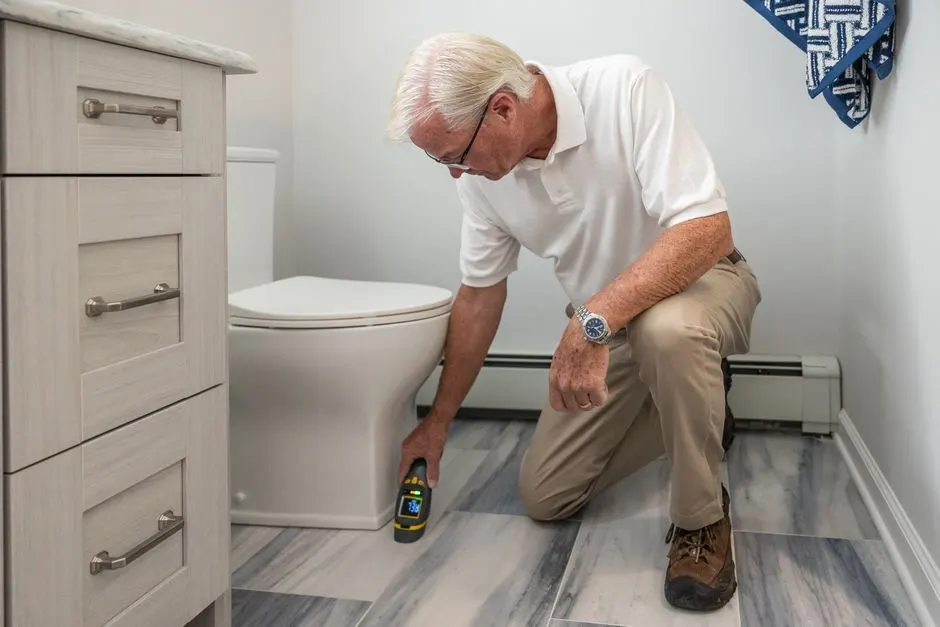 Certified Mold InspectorOur inspectors are trained to California Department of Public Health sampling guidelines and carry ACAC Certified Microbial Investigator credentials. You get a written report, not a verbal guess.Explore →
 Black Mold InspectionDark staining in an attic is not automatically toxic, and it is not automatically harmless. We sample it, identify the species, and tell you whether it needs removal or just a moisture fix.Explore →
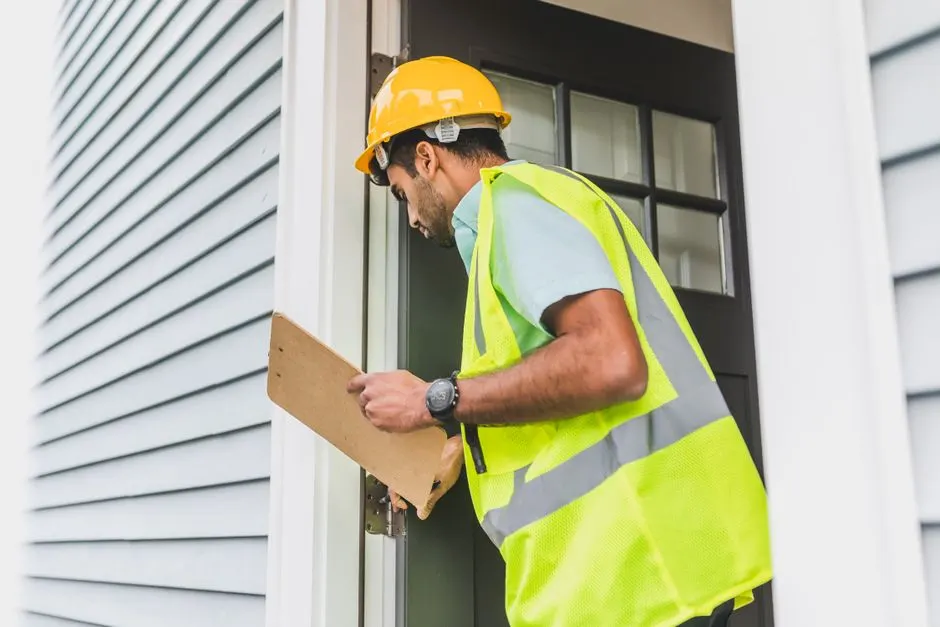 Home Mold InspectionA whole-home inspection catches attic mold early, before spores migrate into bedrooms through the stack effect. We map moisture across the attic, crawl space, and bathrooms in one visit.Explore →
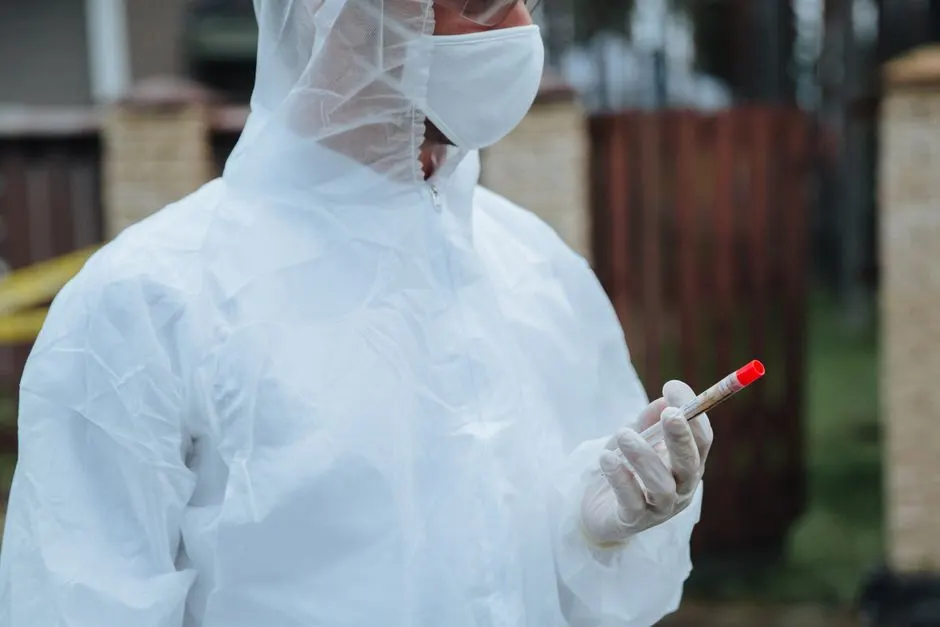 Residential Mold TestingSingle-family homes, duplexes, and older bungalows across SAN PEDRO all get the same testing protocol. We sample the attic, compare indoor counts to outdoor baseline, and report the difference.Explore →
One call gets you an inspection, lab testing, and a written scope with a fixed price. We are licensed, insured, and we carry a written workmanship warranty on every attic remediation. Call now and we will get a technician to your attic this week.
Schedule Inspection (833) 929-5837 →Call us at (833) 929-5837 any time, day or night. We answer live 24/7 for emergencies and schedule same-day inspections for non-urgent jobs. You can also email info@moldremediationservicesanpedro.com and we will respond within a few hours during business hours.